
Professional Coworking Spaces: Projected Market Value and Global Outlook

Last updated by Editorial team at FinanceTechx on Thursday 8 January 2026
Professional Coworking Spaces Projected Market Value and Global Outlook

The 2026 Outlook for Professional Coworking: How Flexible Workspaces Became a Core Asset Class

Coworking's Maturity Moment in 2026

By 2026, professional coworking has moved decisively from experimental trend to structural pillar of the global economy. What began two decades ago as a grassroots response to freelancers' need for affordable, flexible desks has matured into a sophisticated ecosystem that now shapes corporate real estate strategies, investor portfolios, urban policy, and even national competitiveness. For the audience of FinanceTechX at financetechx.com, which tracks the intersection of fintech, business, global markets, and transformative technologies, coworking is no longer simply about where people work; it is about how capital, technology, and talent are being reallocated across borders and sectors.

Global market estimates now place the professional coworking sector above the USD 45-50 billion threshold in annual revenues in 2026, with compounding growth still outpacing traditional office real estate in most major economies. This value reflects not only membership fees and corporate leases, but also a growing stack of ancillary revenue streams-from digital services and enterprise solutions to fintech-enabled payment systems and data-driven insights. Learn more about how these trends sit within the broader business environment that FinanceTechX covers globally.

From Counterculture Offices to Institutional Infrastructure

The evolution of coworking has been shaped by successive waves of technology, culture, and capital. Early pioneers in cities like San Francisco, London, and Berlin offered open-plan spaces and community events geared toward designers, developers, and early-stage founders. As cloud computing, collaboration software, and high-speed connectivity reduced the need for fixed corporate offices, these spaces became natural homes for startups and independent professionals.

The entry of major operators such as WeWork, IWG (Regus and Spaces), and Industrious transformed this fragmented landscape into a recognizable global industry. Backed by venture capital and private equity, they standardized design, layered in hospitality-style services, and negotiated large-scale leases with landlords. By the late 2010s, coworking had become synonymous with innovation districts from New York's Midtown and San Francisco's SoMa to Berlin's Mitte and Singapore's central business district.

The COVID-19 pandemic and the subsequent normalization of hybrid work accelerated this trajectory. As corporations in the United States, Europe, and Asia reassessed long-term leases and occupancy levels, professional coworking emerged as a strategic tool for de-risking real estate commitments. In 2026, enterprise clients represent a substantial portion of revenue for leading operators, while institutional investors increasingly treat coworking as a durable, cash-generating asset class. Readers can place this within broader global economy dynamics, where flexibility and capital efficiency now dominate strategic planning.

Market Value and Regional Distribution in 2026

The global market for professional coworking has crossed a critical inflection point. Analysts now estimate annual revenues in excess of USD 45 billion, with mid-teens compound annual growth rates forecast through the end of the decade in high-growth regions such as Asia-Pacific, the Middle East, and parts of Africa and Latin America. Mature markets in North America and Western Europe continue to expand, though at a more measured pace, as operators focus on profitability, operational efficiency, and deeper integration with corporate real estate.

The United States remains the single largest national market, accounting for roughly one-third of global coworking revenues, supported by strong adoption among technology, financial services, and professional services firms. The United Kingdom, Germany, and France anchor European demand, while Canada and Australia have become important secondary hubs with high penetration of hybrid work and startup ecosystems. In Asia, Singapore, Japan, South Korea, and China host increasingly sophisticated coworking offerings targeted at multinational corporations and scale-ups.

Emerging markets are now central to the growth narrative. Cities such as São Paulo, Mexico City, Nairobi, Lagos, Bangkok, and Johannesburg are seeing rapid expansion of flexible workspaces that blend entrepreneurship, digital finance, and cross-border collaboration. These markets underscore how coworking is not just a Western phenomenon but a global infrastructure layer supporting new forms of employment and capital formation. For a broader lens on regional developments, readers can explore FinanceTechX's global world and markets coverage.

Fintech, Payments, and the Digital Backbone of Coworking

The rise in coworking's market value is inseparable from the integration of financial technology and digital infrastructure. Modern operators are effectively running technology platforms as much as they are managing physical spaces. Membership management, billing, access control, and meeting-room reservations are now handled through cloud-based systems that integrate with accounting tools, customer relationship management platforms, and enterprise security solutions.

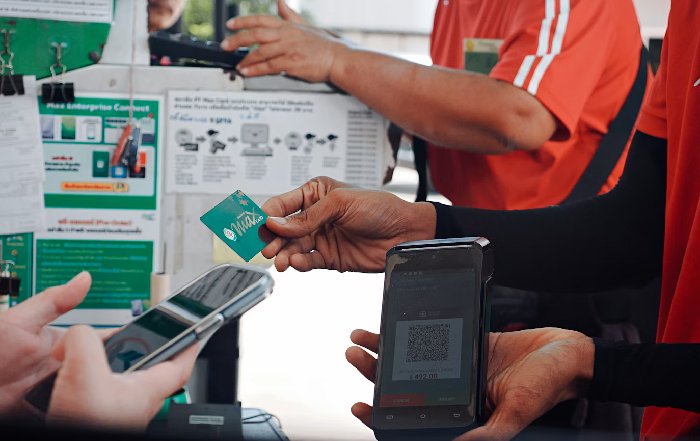
Fintech has enabled operators to move beyond simple monthly invoices toward sophisticated, usage-based pricing and dynamic membership tiers. In markets like the United States, Stripe, Adyen, and other payment processors power recurring billing and multi-currency transactions, while in Europe and Asia, open banking frameworks and instant payment rails support real-time settlement. Learn more about how these technologies intersect with workspace models through FinanceTechX's dedicated fintech insights.

Crypto and blockchain applications, while still niche, have gained traction in regulatory-friendly jurisdictions such as Switzerland and Singapore. Some operators accept stablecoins as payment for memberships, while others experiment with tokenized loyalty programs and blockchain-based access credentials. Smart contracts are increasingly explored for automating revenue-sharing agreements between landlords and operators, reducing administrative friction and enhancing transparency. Those following the evolution of digital assets can deepen their understanding via FinanceTechX's coverage of crypto and digital assets.

North America: From Experimentation to Portfolio Staple

In North America, coworking has become firmly embedded in corporate real estate strategies. New York, San Francisco, Los Angeles, Toronto, and Vancouver host dense networks of professional coworking spaces serving technology companies, financial institutions, legal practices, and creative industries. The region's high office rents, volatile macroeconomic environment, and strong culture of entrepreneurialism have all contributed to sustained demand.

WeWork's post-crisis reinvention, Industrious's hospitality-led model, and a growing cohort of regional operators have collectively shifted the narrative from speculative growth to disciplined, service-driven operations. Landlords and real estate investment trusts now frequently structure management agreements or revenue-sharing partnerships with coworking brands, treating them as operating partners rather than simple tenants. This arrangement is increasingly visible in U.S. and Canadian markets, where institutional capital from pension funds and insurance companies flows into flexible workspace platforms as part of diversified real estate allocations. For those tracking financial-sector implications, FinanceTechX's banking and financial sector analysis provides relevant context.

Europe: Diversity, Design, and ESG-Driven Growth

Europe's coworking landscape is characterized by diversity in both operators and customer segments. IWG, headquartered in Switzerland, remains the dominant pan-European player, with an extensive footprint from London and Paris to Berlin, Madrid, Rome, and Amsterdam. Alongside these global brands, a rich layer of local and regional operators has emerged, often targeting specific verticals such as legal services, deep-tech startups, or creative industries.

European coworking growth is tightly linked to environmental, social, and governance (ESG) priorities and urban regeneration strategies. Many spaces are located in repurposed industrial buildings or mixed-use developments, reflecting broader efforts to revitalize city centers and reduce commuting-related emissions. Governments and municipal authorities in the United Kingdom, Germany, France, Italy, Spain, and the Nordic countries increasingly view coworking hubs as catalysts for innovation clusters and SME development. Those interested in how these developments align with European business strategy and policy can explore FinanceTechX's world and regional coverage.

Asia-Pacific: High-Growth, High-Tech Hubs

The Asia-Pacific region is now one of the most dynamic arenas for coworking innovation. In Singapore, flexible workspaces are closely integrated with fintech, wealth management, and Web3 ecosystems, offering founders and investors proximity to regulators, financial institutions, and global capital. Tokyo and Osaka are seeing a gradual but meaningful cultural shift as large Japanese corporations adopt hybrid models and satellite coworking memberships for employees who prefer shorter commutes and more collaborative environments.

Seoul has positioned coworking as part of its broader smart city and digital innovation agenda, while Hong Kong continues to leverage coworking as an interface between mainland China and global markets. In emerging Southeast Asian markets such as Thailand, Malaysia, Indonesia, and Vietnam, coworking spaces serve as anchors for startup ecosystems and digital nomad communities, often in tandem with new visa regimes that encourage mobile professionals. FinanceTechX's AI and digital transformation coverage sheds light on how artificial intelligence and automation are accelerating these regional shifts.

Middle East and Africa: Innovation Platforms and Market Gateways

In the Middle East, professional coworking has become intertwined with national diversification strategies. Dubai, Abu Dhabi, Riyadh, and Doha host high-specification coworking centers embedded in innovation districts, free zones, and financial centers. Governments and sovereign wealth funds often partner with global and regional operators to attract international startups, venture capital, and technology companies, positioning coworking as a soft-landing platform for foreign market entry.

Across Africa, coworking remains at an earlier stage of development but is rapidly gaining momentum. Cities such as Nairobi, Lagos, Cape Town, and Johannesburg rely on flexible workspaces as multipurpose hubs that combine office space, startup incubation, skills training, and access to fintech solutions such as mobile payments and digital lending. For FinanceTechX readers tracking frontier and emerging markets, the world economy section provides additional analysis on how these hubs are reshaping regional opportunity.

Latin America: Entrepreneurial Energy and Hybrid Urbanism

Latin America's coworking growth is closely tied to its vibrant entrepreneurial culture and the rapid expansion of the digital economy. São Paulo, Rio de Janeiro, Mexico City, Bogotá, Buenos Aires, and Santiago now feature mature coworking ecosystems that serve as meeting points for founders, investors, and multinational corporations. Economic volatility and currency fluctuations have made flexible leases and capital-light workspace solutions particularly attractive for both local companies and global firms entering the region.

Many Latin American operators integrate coworking with coliving, education, and community programs, creating multi-use environments that reflect the region's dense urbanism and strong social networks. FinanceTechX's news and market coverage offers further context on how macroeconomic conditions influence workspace and startup formation trends across the region.

How Investors Now Value Coworking Platforms

The re-rating of coworking from speculative venture story to recognized asset class has reshaped investor behavior. Institutional investors and real estate funds now examine coworking operators using metrics that blend hospitality, technology, and property fundamentals. Occupancy rates, average revenue per member, contract duration, churn, and enterprise share of revenue are evaluated alongside digital engagement, platform scalability, and brand strength.

Public markets increasingly understand flexible workspace as part of a broader "office-as-a-service" category, comparable in some respects to subscription-based software or managed services. Real estate investment trusts and listed property companies partner with or acquire coworking operators to defend asset values and maintain occupancy in an era of hybrid work. Readers interested in how this plays out in capital markets can explore FinanceTechX's stock exchange insights.

At the same time, venture capital continues to back new coworking models, particularly those integrating deep tech, AI, or sector-specific verticalization. In markets such as India, Singapore, and China, investors support platforms that combine workspace with startup acceleration, education, and cross-border deal-making. This is closely aligned with the founder and innovation narratives covered in FinanceTechX's founders section.

Sustainability, ESG, and the Green Coworking Premium

Sustainability has evolved from a differentiator into a core requirement for professional coworking operators, especially in Europe, North America, and advanced Asian markets. Many leading brands now pursue LEED, BREEAM, or comparable green building certifications, and are integrating energy-efficient HVAC systems, low-carbon materials, and advanced air-quality monitoring into both new and retrofitted locations. These environmental attributes are no longer purely marketing features; they directly influence leasing decisions by corporate clients under pressure to meet ESG targets.

Biophilic design-using natural light, plants, and organic materials-has become central to wellness-oriented coworking environments that seek to reduce stress, improve concentration, and align with employers' health strategies. Net-zero commitments and carbon accounting tools are increasingly embedded into operator roadmaps, with some platforms publishing annual sustainability reports aligned to UN Sustainable Development Goals. FinanceTechX readers can learn more about the intersection of sustainability, finance, and infrastructure through the site's environment and business insights and dedicated green fintech coverage.

Investors now routinely factor ESG performance into valuation models, rewarding operators that demonstrate measurable reductions in energy consumption, waste, and emissions. This "green coworking premium" is particularly pronounced in markets like the Nordics, Germany, the United Kingdom, and Singapore, where regulatory regimes and investor expectations are advancing rapidly.

AI, Smart Buildings, and Data-Driven Operations

Artificial intelligence and data analytics are redefining how coworking spaces are designed, priced, and managed. Internet of Things (IoT) sensors monitor occupancy, temperature, lighting, and air quality in real time, enabling operators to optimize layouts, adjust climate control dynamically, and reduce energy expenditure. AI-driven algorithms analyze usage patterns to refine membership tiers, forecast demand, and tailor services to different customer segments.

For members, integrated mobile apps have become the primary interface with the workspace, handling access control, room bookings, billing, and support requests. These apps increasingly incorporate AI-based recommendations, suggesting events, introductions, or services that align with a member's profile and behavior. For FinanceTechX readers focused on AI's role in operational efficiency and customer experience, the AI insights section provides additional depth.

On the security side, biometric access, behavior-based anomaly detection, and zero-trust network architectures are becoming standard in higher-end enterprise-focused locations. This is critical as more sensitive work-including financial transactions, legal matters, and R&D-is conducted from shared environments. FinanceTechX's security coverage highlights how cyber and physical security frameworks are converging in such digitally intensive spaces.

Hybrid Work as the Default and the Rise of Distributed Networks

By 2026, hybrid work has become the default model in knowledge-based industries across North America, Europe, and advanced Asian economies. Employees in the United States, the United Kingdom, Germany, Canada, Australia, and the Nordics increasingly expect a mix of home, office, and third-space options. Coworking networks provide the physical backbone for this distributed model, offering standardized quality and services across multiple cities and, in some cases, continents.

Corporations now negotiate portfolio-level agreements with major coworking operators, granting employees access to a specified number of locations near their homes or client sites. This arrangement reduces the need for expensive central headquarters space while maintaining brand cohesion and professional standards. It also expands the effective labor market, enabling companies to recruit in secondary cities and smaller countries without committing to standalone offices. Those tracking labor-market and workplace dynamics can explore FinanceTechX's jobs and careers analysis.

This distributed network model is particularly important for organizations with global footprints spanning North America, Europe, and Asia-Pacific, as well as for companies operating in fast-growing markets such as Brazil, South Africa, and Southeast Asia, where flexible hubs allow for agile market entry and scaling.

Education, Skills, and the Coworking-Learning Nexus

Coworking spaces are increasingly intersecting with education and workforce development. Many operators host coding bootcamps, fintech academies, executive education programs, and continuous learning initiatives in partnership with universities, business schools, and private training providers. This trend reflects a broader shift toward lifelong learning and the need for constant upskilling in fields such as data science, cybersecurity, AI, and digital finance.

For FinanceTechX readers following the future of education and work, the site's education coverage offers additional context on how learning ecosystems are being embedded into physical and digital work environments. In markets from the United States and the United Kingdom to Singapore and South Korea, coworking campuses now serve as hybrid spaces where people work, study, and build professional networks simultaneously.

Strategic Implications for Leaders and Founders

For business leaders, founders, and policymakers, the maturation of coworking into a multi-billion-dollar global industry carries several strategic implications. Corporates must now treat flexible workspace not as a marginal perk, but as a core component of talent, real estate, and risk management strategies. Founders and fast-growing startups can use coworking to scale across geographies quickly, tapping into local ecosystems without the capital burden of traditional leases. Policymakers in Europe, Asia, Africa, and the Americas can leverage coworking hubs as anchors for innovation districts, SME development, and inward investment.

At the same time, the sector's growth brings new complexities: operator consolidation, varied regulatory regimes, cybersecurity requirements, and the need to balance community-building with operational rigor. FinanceTechX, through its coverage of business, founders, economy, and news, continues to examine these trade-offs and opportunities for decision-makers.

Coworking as an Expression of the Future Economy

In 2026, professional coworking spaces stand as tangible expressions of deeper economic, technological, and cultural shifts. They encapsulate the move from fixed to flexible capital allocation, from lifetime employment to portfolio careers, from siloed offices to networked ecosystems, and from carbon-intensive infrastructure to more sustainable, data-driven environments. For FinanceTechX's global audience-from the United States and Europe to Asia, Africa, and South America-coworking is a lens through which to understand how fintech, AI, and green finance converge in real, operational settings.

As the sector's market value climbs and its influence spreads into secondary cities, emerging markets, and new industry verticals, coworking is no longer simply about desks and meeting rooms. It is about building resilient, adaptive systems that can support innovation, entrepreneurship, and inclusive growth in a world defined by uncertainty and rapid technological change. In that sense, the story of coworking is inseparable from the story that FinanceTechX tells every day: how finance and technology are reshaping the way people work, build companies, and create value across a truly global economy.

Key Fintech Companies in UK

Last updated by Editorial team at FinanceTechx on Thursday 8 January 2026
Key Fintech Companies in UK

The UK's Fintech Powerhouse in 2026: How a Mature Ecosystem Is Redefining Global Finance

The United Kingdom enters 2026 as one of the most advanced and influential fintech ecosystems in the world, and its trajectory matters directly to the global business community that turns to FinanceTechX for insight. What began as an extension of the country's historic strength in banking, capital markets, and insurance has evolved into a sophisticated digital finance hub that now shapes how money moves, how risk is priced, and how financial services are consumed from London to Singapore and from New York to São Paulo. In this environment, the UK's fintech leaders are no longer simply "challengers" to incumbents; they are systemically important actors whose platforms, data, and regulatory relationships are setting global benchmarks for innovation, resilience, and trust.

For decision-makers across North America, Europe, Asia, Africa, and South America, the UK's fintech story is not just a case study in digital disruption but a practical roadmap for navigating regulatory change, embedding technology into financial products, and building sustainable business models in a volatile macroeconomic context. The editorial perspective at FinanceTechX is therefore to examine the UK fintech landscape not only in terms of prominent brands and valuations but also through the lens of experience, expertise, authoritativeness, and trustworthiness, with a view to what this ecosystem means for founders, investors, policymakers, and corporate leaders worldwide.

Why the UK Remains a Fintech Hub in 2026

The UK's continued prominence as a fintech hub rests on the interaction of three structural advantages: a sophisticated regulatory environment, a deep and diversified financial sector, and a highly skilled, globally oriented workforce. The Financial Conduct Authority (FCA), working alongside HM Treasury and the Bank of England, has refined the regulatory sandbox model it pioneered in the previous decade, extending it to areas such as crypto-assets, embedded finance, and AI-driven credit scoring. This has provided clarity and experimentation space for both domestic startups and international firms seeking a European or global base.

At the same time, London's status as a leading global financial centre, documented by institutions such as the Bank for International Settlements and the International Monetary Fund, continues to attract banks, insurers, asset managers, and payment networks that are increasingly partnering with or acquiring fintech innovators. Learn more about how global financial centres compete and cooperate. The presence of world-class universities and research institutes, including University College London, Imperial College London, and Oxford University, ensures a pipeline of talent in computer science, data analytics, cybersecurity, and quantitative finance, while also supporting cross-disciplinary research into digital currencies, climate risk, and algorithmic governance.

For readers who follow the interplay between innovation and macroeconomic performance, FinanceTechX offers ongoing analysis in its economy coverage, placing UK fintech developments in the context of inflation cycles, interest rate shifts, and global trade realignments.

Revolut: From Challenger Brand to Global Financial Super-App

Among UK-founded fintechs, Revolut remains the most emblematic of global ambition. Having started in 2015 with a prepaid multi-currency card, Revolut has, by 2026, consolidated its position as a multi-vertical financial super-app spanning current accounts, cross-border payments, stock and ETF trading, commodities, and regulated crypto services. Its user base, now well beyond 40 million worldwide, is dispersed across the United Kingdom, the European Union, the United States, Australia, Singapore, and several emerging markets where mobile-based financial access is leapfrogging legacy banking infrastructure.

Revolut's model illustrates how a UK fintech can leverage regulatory arbitrage and passporting-like arrangements, post-Brexit, by acquiring licences in multiple jurisdictions and aligning its compliance frameworks to evolving standards from organizations such as the Financial Stability Board and the Basel Committee on Banking Supervision. Learn more about international regulatory coordination. For business users, Revolut's SME and corporate banking propositions-covering multi-currency accounts, expense management, and API-based integrations-have become a serious alternative to traditional transaction banks, especially for cross-border e-commerce sellers and digital-first exporters.

The strategic significance of Revolut's journey for global banking transformation and for incumbent institutions is explored in more depth within FinanceTechX banking insights, where the focus is on how super-apps are reshaping customer expectations and balance sheet structures.

Monzo: Deepening Domestic Trust and Exporting Customer Experience

While Revolut has prioritised global scale, Monzo has continued to refine its position as the everyday bank of choice for millions of UK consumers, with an increasingly credible presence in the United States. Monzo's hallmark remains its obsessive focus on user experience: instant notifications, granular budgeting tools, intuitive savings "pots", and transparent fee structures have made it one of the most trusted digital banks among younger demographics in the UK, as well as among professionals who value frictionless mobile banking.

By 2026, Monzo's evolution is particularly instructive for founders and product leaders. The bank has transitioned from a growth-at-all-costs strategy to a more balanced approach focused on sustainable revenue streams-personal loans, overdrafts, subscription tiers, and, increasingly, SME accounts-while maintaining high Net Promoter Scores and strong community engagement. Its expansion into the US, after earlier setbacks, has become a case study in regulatory learning, localisation of product features, and the importance of partnering with domestic banks and payment networks to navigate the Federal Reserve and Consumer Financial Protection Bureau frameworks. Learn more about how consumer protection regimes shape digital banking.

For readers of FinanceTechX, Monzo's story underlines a key theme: the ability to translate superior digital experience into defensible economics is becoming the central differentiator in a crowded global neobanking market.

Starling Bank: Operational Discipline and Banking-as-a-Service

In contrast to the hyper-growth narratives often associated with fintech, Starling Bank has built its reputation on financial discipline, prudent risk management, and early profitability. Founded by Anne Boden, a former traditional banking executive, Starling has, by 2026, cemented its role as both a fully-fledged retail and business bank and a critical infrastructure provider through its banking-as-a-service (BaaS) offerings.

Starling's SME banking franchise has grown substantially, serving businesses across the UK and, increasingly, in Europe through partnerships. Its integrated features-such as real-time cash flow analytics, direct connectivity to accounting platforms, and flexible overdraft and lending products-illustrate how data and user-centric design can make complex financial management accessible to small enterprises. At the same time, the bank's BaaS platform enables other fintechs and non-financial brands to launch accounts, cards, and lending products on top of Starling's regulated infrastructure, a model that aligns closely with the rise of embedded finance.

For business leaders analysing how digital infrastructure can unlock new revenue streams, FinanceTechX provides contextual analysis in its business section, where Starling's approach is often referenced as a benchmark in platform-based banking.

Wise: Infrastructure for a Borderless Economy

Wise, rebranded from TransferWise and listed on the London Stock Exchange, remains a cornerstone of the UK's fintech export story. In an era of globalised supply chains, remote work, and cross-border freelancing, Wise's low-cost, transparent international transfers and multi-currency accounts have become essential infrastructure for individuals and businesses across North America, Europe, Asia, and Africa.

By 2026, Wise's proposition extends well beyond retail remittances. Its APIs are integrated into payroll platforms, freelance marketplaces, and SME banking solutions, enabling frictionless cross-border payouts and collections. The company's emphasis on mid-market exchange rates and clearly disclosed fees continues to set a standard for transparency that regulators and consumer advocates around the world frequently cite as best practice. Learn more about the evolution of cross-border payment standards.

Wise also exemplifies how fintechs can integrate environmental and social considerations into their operating models, aligning with the growing investor focus on ESG metrics. This direction resonates strongly with the editorial focus at FinanceTechX on green fintech innovation, where Wise is often discussed alongside newer sustainability-focused entrants.

Checkout.com: High-Volume Payments for a Digital Commerce World

In the realm of enterprise payments, Checkout.com has emerged as a global heavyweight. From its base in London, the company processes billions of transactions annually for leading digital brands, including Netflix, Samsung, and Coinbase, as well as for high-growth merchants in the United States, Europe, Asia, and the Middle East. Checkout.com's value proposition lies in its unified payments platform, which supports cards, digital wallets, and alternative payment methods across multiple jurisdictions, underpinned by sophisticated risk and compliance tooling.

As e-commerce penetration deepens in markets such as Germany, France, Brazil, and South Africa, and as subscription and marketplace models proliferate, the need for resilient, well-governed payment infrastructure becomes systemic. Organizations such as the World Bank and the OECD have highlighted how efficient payment rails underpin digital trade and financial inclusion. Learn more about the role of payments in digital trade.

For security and fraud prevention, Checkout.com's investments in AI-based anomaly detection and tokenisation align with the themes covered in FinanceTechX security analysis, where the focus is on how payment processors manage the escalating sophistication of cyber threats.

OakNorth, Zopa, Funding Circle and Curve: Specialisation and Scale

The UK's fintech strength does not rest solely on a handful of headline brands; rather, it is reinforced by a cohort of specialised players that have reached scale by addressing specific market gaps.

OakNorth continues to be a prominent example of data-driven SME lending. By combining granular sectoral data, scenario analysis, and machine learning, OakNorth's Credit Intelligence Suite helps banks and lenders in Europe, Asia, and North America assess risk in a more forward-looking manner. Its dual model-as both a UK lender and a technology licensor-demonstrates how expertise built in one market can be codified and exported as a platform. Learn more about how data analytics is transforming SME credit.

Zopa, having transitioned from peer-to-peer lending pioneer to fully licensed digital bank, has established a strong foothold in consumer loans, credit cards, and savings products. Its disciplined approach to credit risk, combined with digital-first distribution, positions it well in a period where interest rate volatility and cost-of-living pressures in the UK and Europe are testing the resilience of consumer balance sheets.

Funding Circle remains a significant marketplace lender to small businesses, having facilitated billions in loans across the UK, the United States, and continental Europe. Its partnerships with institutional investors and public sector bodies, including during crisis-response schemes, have demonstrated how fintech platforms can be woven into the fabric of economic policy and SME support.

Curve, with its "all cards in one" proposition and the distinctive "Go Back in Time" feature, has carved out a niche in payment aggregation and card management. By sitting as a smart layer between consumers and their existing banks and card issuers, Curve reflects a broader trend towards interoperability and user control over financial relationships, a theme that is gaining momentum in Europe, Asia-Pacific, and beyond.

These companies collectively show that the UK fintech ecosystem excels at turning specialised expertise-whether in credit modelling, marketplace design, or user interface innovation-into scalable, exportable businesses. For readers of FinanceTechX, they serve as case studies in how to build depth before breadth, and how to leverage regulatory credibility to enter new markets.

Emerging Innovators, AI and Data: The Next Wave

Beyond the established names, a new generation of UK fintechs continues to emerge, targeting areas such as SME cash management, recurring payments, personal savings automation, and digital identity. Firms such as Tide, GoCardless, and Plum illustrate how focused propositions can quickly acquire meaningful market share in the UK, Germany, the Nordics, and Australia, particularly when they partner with banks for balance sheet and regulatory support.

The technological backbone of this new wave is artificial intelligence. UK-based and UK-origin firms are applying machine learning to credit decisioning, anti-money laundering (AML) monitoring, robo-advisory, and personalised financial coaching. Institutions such as the Alan Turing Institute and The Royal Society have emphasised both the opportunities and risks of AI in finance, from bias in algorithms to systemic risk amplification. Learn more about responsible AI in financial services.

FinanceTechX pays particular attention to these developments in its AI hub, where the focus is on how AI can be deployed responsibly within regulatory frameworks, and how boards and executive teams in banks, insurers, and asset managers should govern AI adoption.

Blockchain, Crypto and the UK's Digital Asset Strategy

By 2026, the UK has moved beyond the early-stage volatility of unregulated crypto speculation towards a more structured digital asset environment. London hosts a concentration of blockchain analytics and compliance firms such as Elliptic and Chainalysis, as well as institutional-grade custody providers like Copper, which serve hedge funds, family offices, and corporate treasuries seeking exposure to tokenised assets.

The UK government and regulators have worked to clarify the treatment of stablecoins, security tokens, and crypto-asset service providers, aligning with evolving standards from bodies such as the Financial Action Task Force (FATF). Learn more about global AML standards for digital assets. This regulatory clarity has encouraged global exchanges, including Coinbase and Luno, to maintain significant UK operations, while also catalysing domestic innovation in tokenisation of real estate, trade finance instruments, and carbon credits.

For global readers, the UK's digital asset approach offers a reference model for balancing innovation, investor protection, and financial crime prevention. FinanceTechX tracks these dynamics in its crypto coverage, where the emphasis is on institutional adoption, infrastructure resilience, and the convergence between decentralised finance (DeFi) and traditional capital markets.

Open Banking, Open Finance and Data Empowerment

The UK's early move to mandate open banking has now matured into a broader open finance agenda, where customers can permission third parties to access and aggregate data across current accounts, savings, mortgages, pensions, and investments. This regime has enabled a wave of fintechs and regtechs that build budgeting tools, income verification services, credit risk models, and personalised product recommendations on top of standardised APIs.

Connectivity providers such as TrueLayer and Plaid have been central to this evolution, offering secure data rails that comply with UK and EU data protection laws. The Open Banking Implementation Entity and subsequent bodies have collaborated with industry to refine standards and governance. Learn more about the global spread of open finance frameworks. For financial institutions and corporates, the lesson from the UK is that controlled data sharing, when coupled with strong consent and security mechanisms, can unlock new revenue streams and improve risk assessment, rather than simply eroding incumbents' advantages.

FinanceTechX covers the strategic implications of open finance in its banking section, where the focus is on how banks, insurers, and asset managers in regions such as North America, Asia-Pacific, and Africa are adapting similar models.

Sustainability, Green Fintech and ESG Integration

Sustainability has shifted from a niche concern to a core strategic priority for UK fintechs and their investors. Companies such as Tred, which tracks the carbon footprint of consumer spending, and platforms that channel capital into renewable energy projects or green bonds, are part of a broader movement in which environmental metrics are being integrated into everyday financial decisions. This aligns with initiatives by global bodies such as the United Nations Environment Programme Finance Initiative and the Task Force on Climate-related Financial Disclosures (TCFD), which are pushing for better climate risk reporting and sustainable finance frameworks. Learn more about sustainable business practices.

For institutional investors, UK fintechs offer tools for ESG portfolio analysis, impact measurement, and climate scenario modelling, complementing efforts by regulators like the European Central Bank and Bank of England to stress-test financial systems against climate risks. Within FinanceTechX, the environment and green fintech sections and green-fintech insights explore how these tools are being adopted in markets from Canada and Australia to Japan, Singapore, and South Africa.

Regulatory Leadership, Risk Management and Global Alignment

The FCA remains one of the most influential financial regulators globally, and its approach to fintech is closely watched by peers in Europe, Asia, and North America. Its regulatory sandbox, innovation hub, and guidance on topics such as operational resilience, outsourcing, and AI explainability have helped create a predictable environment in which fintechs can experiment without compromising consumer protection or systemic stability.

At the same time, the UK's regulatory apparatus has had to grapple with high-profile failures and misconduct episodes in the broader fintech and crypto sectors, both domestically and internationally. These experiences have led to more stringent authorisation processes, enhanced capital and liquidity expectations for certain business models, and closer scrutiny of marketing practices. The Bank of England and Prudential Regulation Authority have also focused on the systemic implications of cloud concentration risk and third-party service dependencies. Learn more about global work on operational resilience in financial services.

For readers of FinanceTechX, the regulatory narrative is crucial because it shapes the opportunity set for founders, investors, and corporate innovators. The news desk tracks these developments in real time, while feature analysis examines how regulation can be a competitive advantage for firms that embed compliance into their culture and technology stacks.

Talent, Jobs and Skills: Building a Sustainable Workforce

The growth of UK fintech has translated into tens of thousands of jobs across engineering, product, compliance, data science, marketing, and operations. London remains the primary magnet, but regional hubs in Manchester, Edinburgh, Birmingham, Leeds, and Bristol have developed their own clusters, often linked to local universities and accelerators. This geographic spread mirrors trends in other advanced economies, where second-tier cities are becoming important nodes in digital finance ecosystems.

The skills required are evolving rapidly. Demand is particularly strong for cloud-native engineers, cybersecurity specialists, AI and machine learning experts, and professionals who can bridge the gap between technical and regulatory domains. Educational institutions in the UK, United States, Germany, Singapore, and Canada are responding with specialised fintech degrees, bootcamps, and executive programmes. Learn more about global trends in fintech education.

For professionals and students considering career moves, FinanceTechX maintains a focus on labour market dynamics and emerging roles in its jobs section and education coverage, highlighting how UK fintech experience can translate into global opportunities.

Global Competitiveness, Challenges and the Road Ahead

In 2026, the UK's fintech sector competes with powerful ecosystems in the United States (notably Silicon Valley and New York), in Asia (particularly Singapore, Hong Kong, Tokyo, and Seoul), and in continental Europe (including Berlin, Paris, Amsterdam, and Zurich). While venture funding cycles have become more volatile, and while macroeconomic headwinds have led to valuation resets, the UK's combination of regulatory maturity, financial depth, and international connectivity continues to attract founders and capital from around the world.

However, the ecosystem also faces structural challenges. Post-Brexit regulatory divergence requires careful navigation for firms operating across the UK and EU. Cybersecurity risks are escalating, with state and non-state actors targeting financial infrastructure, as highlighted by organisations such as ENISA and the UK National Cyber Security Centre. Learn more about evolving cyber threats to financial services. Talent competition is intense, with remote work enabling skilled professionals to choose between employers in North America, Europe, and Asia-Pacific without relocating. Moreover, the tightening of monetary policy cycles and slower global growth have put pressure on some fintech business models that relied heavily on cheap capital and rapid customer acquisition.

The long-term outlook nonetheless remains positive. Structural drivers such as the digitisation of payments, the rise of embedded finance, demographic shifts towards digital-native consumers, and the imperative of sustainable finance suggest that demand for innovative, trustworthy financial solutions will continue to grow across Global markets. UK fintechs that can combine technological excellence with robust governance, transparent pricing, and strong customer relationships are well-positioned to remain influential players in this next phase.

For global readers of FinanceTechX, the UK's fintech journey offers practical lessons in how to build resilient digital finance businesses, how to collaborate with regulators, and how to export expertise across borders. The editorial team continues to follow these developments across its dedicated verticals, including fintech, founders, banking, crypto, stock exchange, and world coverage, ensuring that business leaders, policymakers, and innovators from the United States, United Kingdom, Germany, Canada, Australia, France, Italy, Spain, Netherlands, Switzerland, China, Sweden, Norway, Singapore, Denmark, South Korea, Japan, Thailand, Finland, South Africa, Brazil, Malaysia, and New Zealand have access to informed, globally relevant analysis as the fintech landscape continues to evolve.

Digital Literacy in FinTech Glossary Terms for Professionals to Learn

Last updated by Editorial team at FinanceTechx on Thursday 8 January 2026
Digital Literacy in FinTech Glossary Terms for Professionals to Learn

The 2026 FinTech Glossary: Why Language Is Now a Strategic Asset

In 2026, the FinTech sector stands at the center of global economic transformation, reshaping how individuals, businesses, and governments across the world access, move, and grow capital. For readers of FinanceTechX, who operate at the intersection of finance, technology, and strategy, it has become increasingly clear that digital literacy is no longer confined to coding skills or product familiarity. Instead, a precise command of FinTech terminology has emerged as a core competency that underpins decision-making, risk management, regulatory engagement, product design, and cross-border collaboration. The language of FinTech is now the language of modern finance itself, and those who master it gain a powerful competitive advantage in markets stretching from the United States and United Kingdom to Singapore, Germany, Brazil, and beyond.

This evolution in professional literacy is not merely academic. Each term in the FinTech glossary encapsulates a set of technologies, regulations, customer expectations, and strategic choices. Misunderstanding the difference between concepts such as DeFi and tokenization, or between open banking and data portability, can lead to misaligned investments, product failures, regulatory breaches, or missed growth opportunities. By contrast, precise usage of these concepts enables leaders to communicate clearly with regulators, partners, engineers, and clients, while aligning their organizations with global best practices. For a platform like FinanceTechX, serving a global, executive-level audience, treating terminology as a strategic resource is central to building Experience, Expertise, Authoritativeness, and Trustworthiness in a sector defined by rapid change.

Digital Literacy as a Strategic Imperative in FinTech

Digital literacy in FinTech goes far beyond familiarity with technology buzzwords. It reflects an integrated understanding of how financial services, data, algorithms, and regulation converge within specific markets and across borders. When regulators in Europe refine frameworks such as the Revised Payment Services Directive (PSD2) or MiCA (Markets in Crypto-Assets Regulation), they rely on a shared vocabulary that defines obligations around data access, consumer protection, and digital asset oversight. When founders and executives in North America, Asia, or Africa discuss embedded finance, real-time payments, or regulatory sandboxes, they are drawing on a glossary that encodes business models, risk profiles, and customer journeys.

This makes digital literacy a matter of strategic risk and opportunity. A bank misunderstanding the implications of open banking APIs may underinvest in data infrastructure and lose ground to more agile competitors. A startup misreading the nuances of stablecoins, CBDCs, or tokenized securities may expose itself to compliance failures in markets such as Singapore or Switzerland, where regulatory expectations are high. Conversely, organizations that invest in deep glossary literacy can align their innovation roadmaps with regulatory direction, position themselves effectively in new segments, and communicate with investors in language that signals professionalism and foresight. For readers seeking to connect terminology with macroeconomic shifts, FinTech and the global economy provides additional context on how these concepts shape capital flows and growth.

Foundational Concepts: FinTech, Blockchain, AI, and Open Banking

At the core of the FinTech glossary sits the term FinTech itself, denoting the integration of financial services with digital technologies to enhance efficiency, accessibility, and scalability. What began as a focus on mobile payments and online lending has expanded into a multi-layered ecosystem encompassing digital banking, crypto-assets, regtech, insurtech, and wealthtech, with applications ranging from small-business lending in Canada to cross-border remittances in South Africa and Philippines. Understanding FinTech today requires recognizing it as an umbrella term that spans infrastructure, customer interfaces, data analytics, and regulatory frameworks, rather than a narrow category of "financial apps."

The concept of blockchain has similarly evolved. Initially associated almost exclusively with Bitcoin, blockchain is now understood as a decentralized ledger technology that underpins a vast array of use cases in finance and beyond. Banks, asset managers, and central banks employ blockchain to streamline settlement, reduce reconciliation costs, and enhance transparency in areas such as trade finance and securities issuance. Institutions such as JPMorgan Chase, HSBC, and BNP Paribas have built or joined blockchain networks to support tokenized assets and cross-border payments. At the policy level, the People's Bank of China has advanced the digital yuan, while the European Central Bank continues its work on a potential digital euro, both relying on terminology that merges monetary theory with distributed ledger concepts. Readers interested in how these developments intersect with digital assets can explore crypto and blockchain innovation to see how the glossary translates into real products and regulations.

Alongside blockchain, artificial intelligence (AI) has become a foundational term in financial services. Financial institutions across United States, United Kingdom, Japan, and Singapore deploy AI for credit scoring, fraud detection, portfolio optimization, and hyper-personalized customer engagement. Organizations such as Mastercard, Visa, and Goldman Sachs use machine learning to monitor billions of transactions, detect anomalies, and refine trading strategies. Yet the AI glossary now extends beyond pure performance metrics; it encompasses concepts such as explainable AI, model risk management, and bias mitigation, which are central to regulatory expectations and ethical standards. Frameworks from bodies like the World Economic Forum and OECD define responsible AI principles that financial institutions must understand and implement. For deeper insight into these dynamics, readers can examine AI's role in financial transformation, where terminology and strategy intersect.

The term open banking has emerged as a global reference point for data-driven innovation. Originating in Europe and the United Kingdom through PSD2 and related regulatory initiatives, open banking describes the secure sharing of customer financial data via APIs, with explicit consent, to enable third-party services such as budgeting tools, alternative lending platforms, and multi-bank dashboards. Challenger banks and FinTechs including Revolut, Monzo, and N26 have leveraged open banking to build integrated, customer-centric experiences. In parallel, Australia's Consumer Data Right (CDR) and data portability initiatives in Brazil, Canada, and Singapore have broadened the concept to "open finance" and "open data," extending beyond payments into wealth, insurance, and utilities. For professionals, understanding open banking terminology is essential to engaging with regulators, structuring partnerships, and designing compliant data strategies, and resources such as banking innovation insights help translate those terms into operational choices.

Specialized Terms: RegTech, DeFi, Embedded Finance, and CBDCs

As FinTech has matured, a second layer of specialized terminology has emerged, particularly in areas where regulation, infrastructure, and new business models intersect. RegTech, shorthand for regulatory technology, refers to the use of advanced analytics, AI, and automation to enhance compliance functions, from anti-money laundering (AML) monitoring to transaction reporting and identity verification. In 2026, with regulators in Europe, North America, and Asia tightening oversight of digital assets, consumer protection, and operational resilience, RegTech has shifted from a niche to a core capability for banks, brokers, and FinTechs. Understanding RegTech terminology enables compliance leaders to evaluate vendor solutions, design internal systems, and communicate effectively with supervisors in markets such as Singapore, Germany, and Switzerland, where regulatory expectations are particularly sophisticated.

The term Decentralized Finance (DeFi) has transformed from a niche crypto subculture into a recognized, if still controversial, segment of global finance. DeFi describes financial services built on public blockchains that operate through smart contracts rather than traditional intermediaries. Platforms such as Aave and Uniswap have popularized concepts like liquidity pools, yield farming, and automated market makers, which now appear in institutional research and regulatory consultations from United States to South Korea. For professionals, literacy in DeFi terminology is crucial not only to assess investment opportunities but also to understand systemic risks, cybersecurity vulnerabilities, and potential regulatory responses, especially as institutional investors in Europe and Asia cautiously explore tokenized and decentralized products.

Parallel to DeFi, embedded finance has quietly become one of the most commercially significant concepts in the FinTech glossary. Embedded finance refers to the integration of financial services-payments, lending, insurance, wealth management-directly into non-financial platforms such as e-commerce marketplaces, ride-hailing apps, and enterprise software. Companies across United States, India, Indonesia, and Latin America now offer "buy now, pay later," micro-insurance, or working capital loans at the point of sale, often in partnership with regulated financial institutions. This model blurs the boundaries between traditional banking and platform economies, requiring executives to understand terms like banking-as-a-service (BaaS), orchestration layers, and compliance delegation to structure sustainable and compliant partnerships.

Perhaps the most strategically significant terminology shift relates to Central Bank Digital Currencies (CBDCs). CBDCs are digital forms of sovereign currency, issued and regulated by central banks, designed to coexist with physical cash and commercial bank money. In 2026, pilots and early-stage deployments span China, Brazil, Sweden, Nigeria, and several Asian and Caribbean economies, while the Bank of England and European Central Bank continue active research and consultation. CBDCs introduce a new lexicon around programmable money, retail vs. wholesale CBDCs, interoperability, and privacy-preserving design, all of which have implications for commercial banks, payment processors, and FinTechs. Professionals need to understand not only the technical architecture but also the geopolitical and macroeconomic dimensions of CBDCs, which influence cross-border payments, financial inclusion, and monetary sovereignty. For a complementary perspective on how CBDCs intersect with capital markets, stock exchange and digital asset innovation provides further context.

Digital Assets, Tokenization, and Security

Within the broader digital asset ecosystem, tokenization has emerged as a pivotal term. Tokenization refers to the representation of real-world or traditional financial assets-such as bonds, real estate, funds, or commodities-as digital tokens on a blockchain. Global asset managers, including BlackRock, have experimented with tokenized funds that enable fractional ownership, 24/7 trading, and potentially lower settlement costs. For institutional investors in United States, Europe, Singapore, and United Arab Emirates, understanding tokenization terminology is essential to evaluating new market infrastructures, custody models, and regulatory classifications, particularly as securities regulators refine their approaches to digital representations of value.

The glossary of digital assets also prominently features stablecoins, which are cryptocurrencies designed to maintain a stable value relative to a reference asset such as the US dollar or a basket of currencies. Stablecoins play a critical role as a bridge between traditional finance and crypto markets, supporting trading, remittances, and treasury operations for both individuals and institutions. However, they also raise questions around reserves, governance, and systemic risk, prompting regulatory responses in United States, European Union, Japan, and Singapore. Professionals must understand distinctions between fiat-collateralized, crypto-collateralized, and algorithmic stablecoins, as well as emerging regulatory categories that define their permissible use.

Underpinning all of these innovations is the critical domain of cybersecurity, which has expanded into a dense and sophisticated vocabulary of its own. Terms such as multi-factor authentication (MFA), zero trust architecture, encryption in transit and at rest, penetration testing, and real-time anomaly detection have become board-level concepts, not just IT jargon. High-profile incidents affecting financial institutions and exchanges across North America, Asia, and Europe have reinforced the necessity of rigorous cyber resilience. Regulators like the Monetary Authority of Singapore (MAS) and agencies in South Korea and United States have issued increasingly detailed cybersecurity guidelines, embedding technical terminology into legal obligations. For leaders seeking to align their understanding of security with current threats and standards, security in digital finance offers a focused lens on how this glossary translates into controls and governance.

Employment, Skills, and the Talent Glossary

The FinTech glossary is not limited to technologies and regulations; it also shapes how organizations think about talent, skills, and organizational design. Terms such as reskilling, upskilling, and digital-first leadership now feature prominently in workforce strategies across Germany, Canada, Australia, and Netherlands, where governments and industry consortia support training programs to close digital skills gaps. In leading financial centers like London, New York, Singapore, and Zurich, employers increasingly seek professionals who can combine domain knowledge in banking or capital markets with fluency in AI, data analytics, and digital asset terminology.

The concept of FinTech jobs has broadened accordingly. Beyond software engineers and data scientists, the sector now demands compliance specialists versed in RegTech, product managers who understand embedded finance and open banking APIs, sustainability officers familiar with ESG integration and green bonds, and cybersecurity experts able to navigate quantum-safe encryption and cloud-native security architectures. The rise of remote-first organizations and digital nomad work models has further expanded the vocabulary of employment, as firms compete globally for talent and design hybrid workforce models that blend in-office and distributed teams. For professionals planning their career trajectories, FinTech jobs and career trends provides a structured view of how this talent-related glossary translates into concrete roles and opportunities.

Green FinTech and the Sustainability Lexicon

Sustainability has become one of the defining themes of global finance, and with it has come an entirely new subset of FinTech terminology. Green FinTech describes the application of digital technologies to support environmental objectives, from financing renewable energy projects to enabling consumers and corporations to track and reduce their carbon footprints. Instruments such as green bonds and sustainability-linked loans are now mainstream across Europe, Asia, and North America, with major banks and asset managers integrating climate considerations into their core strategies. Platforms like Doconomy in Sweden illustrate how climate data can be embedded into payment and banking interfaces, allowing individuals in Nordic countries, Germany, France, and beyond to see the environmental impact of their spending.

This shift has introduced terms such as carbon accounting, climate risk stress testing, transition finance, and carbon offset markets into the everyday vocabulary of financial professionals. Regulatory initiatives, including the EU Taxonomy for sustainable activities and disclosure requirements aligned with frameworks like the Task Force on Climate-related Financial Disclosures (TCFD), require financial institutions to understand and operationalize these concepts. For readers of FinanceTechX, the intersection of sustainability, technology, and finance is particularly relevant, and green FinTech and climate innovation offers an in-depth perspective on how this emerging glossary is reshaping products, reporting, and risk management.

Regional Nuances: Europe, Asia, Americas, and Africa

One of the most important aspects of FinTech literacy is recognizing that terminology, while global, often carries region-specific nuances. In Europe, references to PSD2, MiCA, and SEPA Instant Credit Transfer define the regulatory and infrastructural context for payments and digital assets. In United Kingdom, open banking has matured into a robust ecosystem of third-party providers, influencing how terms like account information service providers (AISPs) and payment initiation service providers (PISPs) are used in practice. In Nordic countries such as Sweden, Norway, Denmark, and Finland, the high adoption of digital payments and e-identities has shaped local interpretations of concepts like instant payments and digital identity.

In Asia, the term super app has become central to understanding how financial services are delivered. Companies such as Grab, GoTo, and WeChat Pay integrate payments, lending, mobility, food delivery, and lifestyle services into a single platform, redefining what "banking" looks like for consumers in Singapore, Indonesia, Thailand, China, and Malaysia. In Japan and South Korea, advanced digital infrastructure and dense regulatory frameworks have generated unique approaches to cashless payments, crypto regulation, and cybersecurity. Meanwhile, India's Unified Payments Interface (UPI) has become a global benchmark for low-cost, real-time payments, influencing discussions in Brazil, United States, and Europe about public digital payment rails.

In Africa, terms like mobile money and agent banking are indispensable to understanding financial inclusion. Services such as M-Pesa in Kenya and similar platforms across Ghana, Nigeria, and South Africa have shown how telecommunications infrastructure can substitute for traditional branch networks, giving rise to new models of credit scoring and micro-insurance. In Latin America, including Brazil, Mexico, and Chile, the rise of digital banks and instant payment systems such as PIX has created a vocabulary around financial inclusion, interoperability, and digital identity that reflects specific regional challenges and opportunities. For ongoing coverage of these regional dynamics, world and global FinTech trends provides a curated view tailored to an international audience.

Web3, Quantum, and the Emerging Glossary of the Future

Looking ahead, the FinTech glossary will continue to expand as new technologies move from experimentation to deployment. Web3-a term describing a decentralized, user-owned internet based on blockchain and cryptographic primitives-has introduced concepts such as non-fungible tokens (NFTs), decentralized identity (DID), and self-sovereign wallets. While speculative excesses in NFT markets have subsided, institutional players in United States, Europe, and Asia are exploring how tokenized identities, credentials, and assets could streamline KYC processes, collateral management, and cross-border settlement.

Concurrently, advances in quantum computing are prompting financial institutions and regulators to prepare for a future in which current cryptographic standards may be vulnerable. This has brought terms like post-quantum cryptography, quantum-safe encryption, and quantum key distribution into strategic discussions at banks, exchanges, and security agencies in United States, China, Japan, and European Union. While large-scale quantum attacks remain a future concern, the long lead time required to upgrade cryptographic infrastructure means that organizations must begin planning now, integrating this emerging terminology into their risk and technology roadmaps.

For executives and founders navigating these frontiers, the ability to interpret and deploy such terms accurately is vital. It informs capital allocation, partnership choices, and regulatory engagement, ensuring that innovation remains aligned with long-term resilience. Readers seeking to connect these emerging concepts with concrete business strategies can turn to FinTech and business strategy insights, which frame the evolving glossary in terms of competitive positioning and execution.

Glossary Literacy as a Core Competitive Advantage

By 2026, it has become evident that FinTech glossary literacy is not a peripheral skill but a core pillar of professional competence across banking, asset management, insurance, payments, and emerging digital asset sectors. For founders, investors, regulators, and corporate leaders who rely on FinanceTechX as a trusted source, terminology is the connective tissue between high-level strategy and day-to-day execution. It shapes how teams communicate, how products are scoped and built, how regulatory submissions are drafted, and how cross-border partnerships are negotiated.

The organizations that thrive in this environment will be those that treat glossary mastery as an ongoing discipline: continuously updating their understanding of terms like CBDCs, DeFi, tokenization, green FinTech, open banking, and AI governance as technologies and regulations evolve. They will invest in education, internal knowledge-sharing, and external intelligence to ensure that their language reflects current realities rather than outdated assumptions. For professionals seeking to embed this literacy into their work, FinTech insights, economic analysis, and news coverage on FinanceTechX provide a continuously updated lens on how terminology, technology, and global finance intersect.

In a world where finance and technology are converging at unprecedented speed, the glossary of FinTech is no longer a static reference but a living framework for understanding the present and shaping the future. Those who speak this language fluently are better positioned not just to participate in the next wave of financial innovation, but to lead it.

Best Business and Management Schools in North America

Last updated by Editorial team at FinanceTechx on Thursday 8 January 2026
Best Business and Management Schools in North America

North American Business Schools in 2026: How They Shape the Future of Global Finance, Technology, and Leadership

North America in 2026 continues to occupy a central position in global business and management education, functioning not only as a training ground for executives but as a strategic engine for innovation in finance, technology, and sustainability. For the audience of FinanceTechX, which spans founders, investors, policymakers, and technology leaders across the United States, Canada, Europe, Asia, and beyond, understanding how these institutions are evolving has become a prerequisite for anticipating where capital, talent, and ideas will flow next. Business schools across the United States and Canada now sit at the intersection of fintech, artificial intelligence, green finance, and global policy, providing the intellectual and practical infrastructure that underpins emerging economic models. As markets confront rapid advances in generative AI, the maturation of digital assets, the institutionalization of ESG, and heightened geopolitical and cyber risk, these schools are redefining what it means to deliver credible, authoritative, and trustworthy management education.

Readers who follow macroeconomic shifts and policy developments on FinanceTechX Economy will recognize that the influence of North American business schools extends far beyond their campuses; their faculty research, alumni leadership, and industry partnerships increasingly shape regulatory agendas, investment frameworks, and technology adoption across North America, Europe, Asia, Africa, and South America. In 2026, the question is no longer whether these schools matter to global finance and technology, but how their evolving priorities will recalibrate the competitive landscape for businesses, startups, and financial institutions worldwide.

Core Traits That Define North America's Leading Business Schools

The top business schools in North America share a set of defining characteristics that sustain their global prominence. They maintain highly selective admissions, attract world-class faculty, and are deeply embedded in financial and technology hubs such as New York, San Francisco, Boston, Toronto, Montreal, and Vancouver. Their programs are anchored in rigorous analytical training while increasingly integrating AI, data science, and digital finance, ensuring that graduates can operate at the frontier of quantitative decision-making and technology-enabled strategy. These schools have moved beyond traditional MBA and executive education formats to offer modular, hybrid, and online programs, responding to shifting expectations in the global job market and the rise of lifelong learning.

At the same time, they have made ethical leadership, sustainability, and diversity central pillars of their curricula, reflecting the growing importance of social license, regulatory scrutiny, and stakeholder capitalism. Institutions such as Harvard Business School, Stanford Graduate School of Business, Wharton, MIT Sloan, Rotman, and HEC Montréal are not only refining their academic content; they are recalibrating their missions to address systemic issues such as climate risk, financial inclusion, and the governance of AI. For readers tracking how these institutional shifts translate into corporate practice, FinanceTechX Business offers complementary analysis of how leadership, strategy, and technology converge in real-world organizations.

Harvard Business School: Scaling Leadership for an AI-Driven Global Economy

In 2026, Harvard Business School (HBS) retains its status as one of the most influential management institutions in the world, but its identity has evolved from a traditional case-method powerhouse to a multifaceted platform for leadership in a data- and AI-intensive economy. HBS continues to rely on its signature case pedagogy, yet the cases themselves increasingly focus on AI governance, digital platforms, climate finance, and cross-border regulatory challenges, mirroring the issues faced by multinational corporations and global investors. AI-powered learning tools now support the classroom experience, providing real-time analytics on student participation and personalized feedback, while also raising important questions about privacy, bias, and the appropriate role of automation in education.

The school's proximity to Boston's financial district and the broader innovation ecosystem of Cambridge ensures that HBS remains tightly connected to developments in biotechnology, clean energy, and advanced computing, as well as to leading private equity and venture capital firms. Executive education at HBS has expanded significantly, with programs designed for senior leaders managing AI transformation, global supply chain redesign, and climate-related financial risk. Those interested in the founder journeys and leadership philosophies shaped by institutions like HBS can explore related narratives and profiles on FinanceTechX Founders, where the long arc from classroom to boardroom is examined in depth.

Stanford Graduate School of Business: Embedding Innovation at the Heart of Global Tech and Venture Capital

The Stanford Graduate School of Business (GSB) remains uniquely positioned in 2026 as the academic nerve center of Silicon Valley's entrepreneurial and venture capital ecosystem. Its graduates populate leadership roles at technology giants, high-growth startups, and global investment funds, while its faculty research sets the agenda on topics ranging from platform economics and AI ethics to climate innovation and behavioral finance. The school's location in California's innovation corridor gives it unparalleled access to founders, engineers, and investors who are redefining sectors such as fintech, healthtech, climate tech, and Web3.

Stanford GSB has deepened its engagement with responsible technology by offering specialized tracks in AI governance, digital competition policy, and sustainable innovation, often in collaboration with Stanford Engineering and Stanford Law School. Students work directly with venture capital firms and corporate innovation units, evaluating business models that rely on machine learning, blockchain infrastructure, and cross-border data flows. For readers of FinanceTechX World, the school's global partnerships-from Singapore to London and São Paulo-illustrate how North American educational institutions now operate as nodes in a distributed network of innovation rather than as isolated regional champions.

Wharton: Data, Markets, and the Architecture of Global Finance

The Wharton School at the University of Pennsylvania continues in 2026 to define the benchmark for quantitative and finance-focused management education. Wharton's long-standing reputation in corporate finance, asset management, and risk analytics has been reinforced by its early and sustained investment in machine learning, big data, and algorithmic trading research. Its faculty regularly inform debates at institutions such as the U.S. Federal Reserve, the European Central Bank, and the Bank for International Settlements, underscoring Wharton's influence on both market practice and regulatory frameworks.

Wharton's graduates occupy senior positions across investment banking, hedge funds, private equity, and sovereign wealth funds in the United States, Europe, the Middle East, and Asia, giving the school a structurally important role in global capital allocation. In recent years, Wharton has also become a leader in ESG integration and climate risk modeling, reflecting the shift of institutional investors toward sustainable portfolios and transition finance. Readers watching the evolution of banking and capital markets can connect these developments with ongoing coverage on FinanceTechX Banking, where the interplay between regulation, innovation, and talent is a recurring theme.

MIT Sloan: Where Technology, Analytics, and Management Converge

The MIT Sloan School of Management occupies a distinctive position in 2026 as the point where cutting-edge engineering, computer science, and management thinking intersect. Embedded in the broader Massachusetts Institute of Technology ecosystem, Sloan leverages access to world-leading labs in AI, robotics, and climate science, translating technical breakthroughs into commercially viable ventures and policy-relevant insights. The school's curriculum has become deeply data-centric, with many MBA and specialized master's students now fluent in Python, machine learning techniques, and quantitative optimization, alongside traditional finance and strategy.

Sloan's Action Learning model, which places students in live consulting and startup environments across North America, Europe, Asia, and Africa, continues to distinguish its pedagogy by forcing students to apply their analytical toolkits to complex, ambiguous real-world problems. This approach is particularly relevant to the FinanceTechX audience following AI's role in trading, risk management, and financial infrastructure; related themes are examined in detail on FinanceTechX AI, where algorithmic decision-making and governance are explored from both technical and strategic perspectives.

Columbia, NYU Stern, and the New York Nexus of Global Finance and Digital Innovation

New York City remains one of the world's most critical financial and technology hubs, and Columbia Business School (CBS) and the NYU Stern School of Business play central roles in shaping the city's-and by extension, the world's-leadership pipeline. Columbia Business School, located close to Wall Street and major investment firms, continues to be a magnet for students targeting careers in investment banking, private equity, hedge funds, and impact investing. Its programs in climate finance, real estate, and global macro strategy are increasingly relevant as institutional investors grapple with inflation cycles, rate volatility, and the energy transition. Columbia's emphasis on connecting theory with practice through practitioner-led seminars and live deal analysis reinforces its reputation as a training ground for dealmakers and capital allocators.

NYU Stern, with its deep roots in both finance and media, has broadened its identity to become a leader in sustainable business, fintech, and risk management. Its presence in downtown Manhattan provides students with direct exposure to fintech startups, digital media firms, and global banks experimenting with tokenization, embedded finance, and AI-enabled customer analytics. Stern's initiatives in climate risk and urban sustainability align closely with the interests of readers following the environmental implications of financial decisions; related perspectives are explored on FinanceTechX Environment, where green innovation and finance intersect.

Chicago Booth, Kellogg, and Yale SOM: Thought Leadership, Culture, and Purpose

The Chicago Booth School of Business continues to be synonymous with rigorous economic and analytical thinking, producing Nobel laureates and policy advisers who influence central banks and finance ministries worldwide. In 2026, Booth's research on market efficiency, behavioral economics, and corporate governance remains foundational for institutional investors, regulators, and consulting firms. Its flexible curriculum allows students to specialize deeply in finance, economics, or analytics, while its global campuses in London and Hong Kong extend its reach into European and Asian markets, reinforcing North America's intellectual footprint in those regions.

The Kellogg School of Management at Northwestern University, by contrast, is widely recognized for its leadership in marketing, organizational behavior, and team-based collaboration. Kellogg's emphasis on inclusive leadership, negotiation, and multicultural management has become particularly relevant as companies build globally distributed teams and confront complex cultural and regulatory environments. Meanwhile, the Yale School of Management (SOM) has doubled down on its mission to educate leaders for business and society, embedding public value, social enterprise, and impact investing throughout its curriculum. Yale SOM's integration with the broader Yale University ecosystem, including its schools of environment, law, and public health, positions it as a key player in discussions about climate governance, health systems, and social equity.

These institutions collectively demonstrate that North American business education is not monolithic; it spans a spectrum from quantitative rigor to mission-driven leadership. Readers interested in how these cultural and philosophical differences shape founder behavior and corporate governance can find complementary analysis on FinanceTechX Founders, where leadership styles and values are examined in entrepreneurial and corporate settings.

West Coast Innovation: Berkeley Haas and the Culture of Questioning the Status Quo

The Haas School of Business at the University of California, Berkeley remains deeply embedded in the innovation culture of the San Francisco Bay Area and Silicon Valley. Its defining leadership principles, such as "Question the Status Quo" and "Beyond Yourself," have become increasingly relevant as companies confront disruptive technologies and societal expectations around sustainability and equity. Haas has emerged as a global center for climate entrepreneurship, sustainable finance, and technology management, with students and alumni active in startups focused on renewable energy, carbon markets, and regenerative agriculture, as well as in leading technology firms.

The school's integration with Berkeley Engineering and research institutes such as the Berkeley Energy and Climate Institute enables cross-disciplinary collaboration on climate modeling, grid innovation, and green infrastructure, all of which feed into new financial products and investment strategies. For FinanceTechX readers watching the convergence of crypto, carbon markets, and impact measurement, the innovation patterns around Berkeley connect naturally with topics explored on FinanceTechX Crypto, where digital assets and decentralized finance are analyzed in relation to mainstream capital markets.

Canada's Business Schools: Rotman, Ivey, Schulich, Desautels, and HEC Montréal

Canada's leading business schools have solidified their international stature by combining rigorous academic training with exposure to one of the world's most stable and diversified advanced economies. The Rotman School of Management at the University of Toronto has become a global reference point for integrative thinking, behavioral economics, and AI-enabled finance. Located in Toronto, a major North American financial center and a fast-growing fintech hub, Rotman offers students and executives direct access to banks, pension funds, and technology companies experimenting with open banking, digital identity, and AI-based risk modeling.

Ivey Business School at Western University maintains a strong focus on case-method teaching and practical leadership, with an emphasis on operational excellence, resource industries, and global consulting. Its graduates often take on leadership roles across North America, Europe, and emerging markets, particularly in sectors where execution and resilience are critical. The Schulich School of Business at York University is distinguished by its global orientation and diverse student body, with strong programs in international business, infrastructure, and sustainable enterprise. Its partnerships across Europe, Asia, and South America reflect Canada's broader positioning as a bridge between North American and global markets.

In Montreal, the Desautels Faculty of Management at McGill University and HEC Montréal together form a powerful bilingual and research-intensive cluster. Desautels leverages McGill's strengths in medicine, law, and engineering to offer interdisciplinary programs in healthcare management, global strategy, and analytics, while HEC Montréal continues to build on its long tradition of excellence in operations, data science, and international finance. Both schools are deeply involved in research on sustainable development, trade, and digital transformation, and they play an important role in shaping Quebec's and Canada's economic strategies. For readers exploring how education, security, and regulation intersect in a digital economy, related issues are analyzed on FinanceTechX Security, where the resilience of financial and educational infrastructure is a recurring focus.

Comparing North America with Europe and Asia in 2026

By 2026, competition from European and Asian business schools has intensified. Institutions such as INSEAD, London Business School, HEC Paris, CEIBS, National University of Singapore Business School, and HKUST Business School have expanded their global brands through multi-campus models, regionally embedded corporate partnerships, and highly ranked one-year MBA and specialized master's programs. These schools often offer more cost-effective tuition structures and shorter program durations, appealing to candidates across Europe, Asia, and the Middle East who are sensitive to both opportunity cost and geographic proximity.

Despite this competitive pressure, North American schools retain key advantages. Their integration with major capital markets, technology clusters, and research universities gives them a unique ability to influence global standards in finance, technology regulation, and sustainability. Their alumni networks across the United States, Canada, Europe, and Asia remain among the most powerful in the world, providing enduring access to jobs, capital, and cross-border collaboration. Readers following cross-regional economic shifts on FinanceTechX World will recognize that rather than losing relevance, North American schools are increasingly acting as anchor institutions in a globalized ecosystem of management education.

Fintech, AI, and Digital Assets: From Electives to Core Infrastructure

In 2026, fintech and AI are no longer niche electives within North American business schools; they have become integral to core finance, strategy, and operations curricula. Courses on digital payments, blockchain infrastructure, decentralized finance, tokenization of real-world assets, and AI-driven credit and risk models are now embedded in MBA and executive programs. Schools collaborate closely with major technology platforms, global banks, and fintech unicorns, as well as with regulatory bodies and central banks exploring central bank digital currencies and digital identity frameworks.

Students increasingly work on live projects involving digital wallets, cross-border remittances, embedded lending, and algorithmic trading systems, often in partnership with fintech accelerators and venture studios. This applied exposure equips graduates to lead transformation initiatives in banks, asset managers, and technology companies across North America, Europe, and Asia. For readers who routinely track these developments on FinanceTechX Fintech, the link between business school curricula and the evolution of digital financial infrastructure is becoming more direct and more consequential.

Sustainability, Green Finance, and the Climate Transition

Sustainability has moved from the periphery to the core of North American business education. In 2026, schools such as Yale SOM, Berkeley Haas, Rotman, and MIT Sloan offer dedicated degrees, concentrations, and research centers focused on climate finance, sustainable supply chains, and impact measurement. Students learn to structure green bonds, transition finance instruments, blended finance vehicles, and carbon credit portfolios, as well as to evaluate climate risk in corporate valuations and sovereign debt.

These schools increasingly work with organizations such as the World Bank, the International Monetary Fund, and the United Nations Environment Programme to align academic research with global policy initiatives and sustainable development goals. Executive programs attract leaders from energy, manufacturing, finance, and technology sectors who are under pressure from investors and regulators to decarbonize their operations and portfolios. Readers seeking to deepen their understanding of sustainable business models and climate-aligned finance can explore related coverage on FinanceTechX Environment, where the financial architecture of the climate transition is a central topic.

Talent, Jobs, and the Global Labor Market

The global job market for graduates of North American business schools remains robust in 2026, but its structure has changed. Traditional employers-consulting firms, investment banks, and large corporates-continue to recruit heavily on campus, particularly in the United States, United Kingdom, Germany, Canada, and Singapore. At the same time, a growing share of graduates choose entrepreneurial paths or join high-growth technology and climate-focused companies in regions as diverse as the Nordics, Southeast Asia, and the Middle East. Hybrid and remote work models have expanded the geographic range of opportunities, allowing graduates based in North America to hold leadership roles in European or Asian firms, and vice versa.

Career services at top schools increasingly emphasize skills such as data literacy, AI fluency, cross-cultural communication, and resilience, recognizing that careers are becoming more non-linear and entrepreneurial. For those tracking these labor market dynamics and their implications for compensation, mobility, and skills development, FinanceTechX Jobs provides ongoing coverage of how employers and candidates adjust to new expectations and technologies.

Technology as Delivery Mechanism and Strategic Asset

Beyond teaching about technology, North American business schools are using technology to transform how education is designed, delivered, and credentialed. AI-driven tutoring systems personalize learning paths, flagging areas where students need targeted reinforcement and enabling faculty to focus classroom time on higher-order discussion and application. Blockchain-based credentialing systems, increasingly explored in collaboration with technology providers and consortia, promise more secure, portable, and verifiable academic records, which can be critical as professionals move across borders and industries.

Virtual and augmented reality simulations are being tested in leadership, negotiation, and crisis management courses to provide immersive, high-stakes practice environments that mirror real boardroom and geopolitical scenarios. These innovations mirror broader shifts in corporate training and workforce development, where AI and immersive technologies are rapidly gaining traction. Readers who monitor the intersection of AI, finance, and education on FinanceTechX AI will recognize that business schools are both adopters and shapers of these technologies, influencing how they are perceived and deployed in corporate settings.

Challenges: Cost, Access, Competition, and Trust

Despite their strengths, North American business schools face significant structural challenges in 2026. Tuition levels at elite institutions remain high, often exceeding six figures for full-time MBA programs, raising persistent concerns about access, diversity, and the true return on investment. While scholarships, income-share agreements, and employer-sponsored programs have expanded, the perception of exclusivity and financial barrier remains, particularly for candidates from emerging markets or underrepresented communities in North America and Europe.

Competition from European and Asian schools, as well as from high-quality online alternatives and corporate academies, has intensified. Employers increasingly question whether traditional two-year MBAs are necessary for all leadership roles, especially in technology and startup environments where skills and track records may matter more than formal credentials. At the same time, the rapid rise of generative AI has introduced new questions about academic integrity, assessment, and the value of human-centric leadership in an era of automation. These issues are part of a broader conversation about the future of education and skills, which FinanceTechX explores regularly on FinanceTechX Education.

North American Business Schools and the Future of Global Economic Leadership

As the global economy navigates cycles of inflation, geopolitical fragmentation, technological disruption, and climate risk, North American business schools remain pivotal actors in shaping how leaders interpret and respond to these forces. Their research influences regulatory frameworks in Washington, Brussels, London, Ottawa, and Singapore; their alumni lead corporations and institutions from New York and Toronto to Frankfurt, Dubai, Shanghai, and São Paulo; and their partnerships with governments, multilateral organizations, and technology firms help set global standards in finance, AI, and sustainability.

For FinanceTechX, which is dedicated to providing authoritative insights at the intersection of fintech, business, AI, and the global economy, the evolution of these schools is not an abstract academic topic but a practical indicator of where the next generation of decision-makers will come from and how they will think. Whether readers are founders seeking investors, executives driving digital transformation, policymakers designing regulation, or professionals considering advanced study, the strategies and priorities of North America's leading business schools in 2026 provide a critical lens on the future of global finance and innovation. Those who wish to connect these educational trends with broader market and policy developments can continue to follow integrated analysis across FinanceTechX, where news, economy, fintech, and leadership coverage converge to map the shifting contours of the global business landscape.

Best Business and Management Schools in Europe

Last updated by Editorial team at FinanceTechx on Thursday 8 January 2026
Best Business and Management Schools in Europe

Europe's Business Schools in 2026: Powering Global Leadership, Innovation, and Sustainable Growth

Europe in 2026 remains one of the most influential regions for advanced business and management education, and for the global audience of FinanceTechX, its schools continue to shape the leaders driving transformation in fintech, artificial intelligence, green finance, and the broader digital economy. With a long-standing tradition of academic excellence, a deeply international environment, and a uniquely close relationship between universities, industry, and policymakers, European business schools occupy a central position in the global talent pipeline for executives, founders, policymakers, and innovators. Unlike many other regions, Europe has developed a distinctive model of management education that combines rigorous theoretical foundations with intensive practical learning, enabling graduates to transition seamlessly into leadership roles in multinational corporations, high-growth startups, regulatory institutions, and global organizations.

In 2026, this ecosystem is more dynamic than ever. The continent's leading schools are integrating artificial intelligence, data science, climate strategy, and digital finance into their curricula at a pace that matches, and often anticipates, market developments. For readers of FinanceTechX, this evolution has concrete implications: the next generation of leaders in fintech, green fintech, crypto, digital banking, and sustainable investing is being trained in European classrooms and executive programs that are explicitly designed around the realities of a rapidly transforming global economy. Europe's competitive landscape includes historic institutions in the United Kingdom, France, Spain, Switzerland, Italy, and Germany, alongside agile newcomers and pan-European networks that are redefining what global management education looks like in practice.

The Strategic Role of Business Schools in Europe's Economy

Across Europe, business schools are not merely academic institutions; they function as strategic assets for national and regional economies. They equip professionals with leadership capabilities that drive innovation, productivity, and responsible growth, thereby reinforcing Europe's position in global markets. Research from organizations such as the Organisation for Economic Co-operation and Development and the World Economic Forum consistently highlights that Europe's competitiveness in finance, technology, manufacturing, and sustainable industries is closely tied to the quality and relevance of its management education.

Institutions such as INSEAD, London Business School, and HEC Paris have become synonymous with global leadership, as their alumni occupy senior positions in multinational corporations, investment banks, consulting firms, technology giants, and international institutions. Their graduates are present in boardrooms from New York and London to Singapore and São Paulo, shaping strategic decisions that influence global capital flows, digital transformation agendas, and sustainability commitments. For professionals following global economic trends through FinanceTechX, the output of these schools is a critical indicator of where future leadership and innovation capacity will be concentrated.

Equally important is the way European business schools have embedded sustainability, ESG, and green finance into core curricula rather than treating them as peripheral topics. Institutions such as ESADE Business School and the University of St. Gallen have been pioneers in integrating sustainable finance, corporate environmental strategy, and green fintech into their degree and executive programs. This reflects a broader shift across Europe, as regulators, investors, and companies respond to frameworks such as the EU Green Deal and evolving climate disclosure rules. For leaders in banking, asset management, and fintech, understanding these regulatory and strategic shifts has become a core competency, and European business schools are increasingly the training ground where that expertise is developed.

United Kingdom: Financial Powerhouse and Global Talent Magnet

The United Kingdom continues to be one of the most important hubs for management education, with its schools deeply interconnected with global capital markets, technology ecosystems, and public policy. London Business School (LBS) remains a flagship institution, frequently ranked among the top business schools worldwide and particularly strong in finance, strategy, and leadership. Its location in London provides direct proximity to the City, one of the world's leading financial centers, where global banks, asset managers, hedge funds, and fintech firms operate in close interaction with regulators such as the Bank of England and the Financial Conduct Authority. For those focused on stock markets and capital flows, LBS offers a uniquely immersive environment in which theory and practice intersect daily.

The University of Oxford's Saïd Business School and the University of Cambridge Judge Business School further reinforce the UK's position. These institutions leverage centuries-old academic traditions while investing heavily in cutting-edge research in artificial intelligence, machine learning, climate finance, and entrepreneurial ecosystems. The innovation clusters surrounding Oxford and Cambridge, often compared to Silicon Valley in their density of startups and research-driven ventures, are supported by venture capital firms, technology multinationals, and life sciences companies. Readers interested in AI, digital transformation, and emerging business models will find that these schools are at the forefront of translating technical advances into scalable commercial and policy solutions.

The UK's schools are also highly international. Their MBA and specialized master's programs attract students from North America, Europe, Asia, Africa, and Latin America, forming global networks that extend into every major industry. This internationalism, combined with strong links to institutions such as the London Stock Exchange and the Institute of Directors, contributes to the UK's ongoing appeal as a training ground for globally mobile leaders in finance, consulting, and technology.

France: Elite Institutions with Global Reach

France has long been a cornerstone of European management education, and in 2026 its schools continue to enjoy strong reputations among employers, investors, and policymakers. HEC Paris stands at the center of this ecosystem, with programs that emphasize leadership, strategy, and innovation, supported by a powerful alumni network that includes CEOs of major corporations, founders of high-growth startups, and senior public officials. The school's integration of sustainability and ESG across all degree levels reflects the broader shift in European corporate governance, aligning with initiatives from bodies such as the European Securities and Markets Authority and the European Investment Bank.

INSEAD, often described as "The Business School for the World," exemplifies global management education. With campuses in France, Singapore, and Abu Dhabi, and strong partnerships in North America and Asia, INSEAD offers an accelerated MBA and a portfolio of executive programs that attract experienced professionals seeking to upgrade their skills without stepping away from the workforce for extended periods. Its emphasis on cultural intelligence, cross-border collaboration, and strategic decision-making makes it particularly relevant for leaders operating across Europe, Asia, and the Middle East. For those following world business developments, INSEAD's research and thought leadership often serve as early indicators of shifts in global leadership practices.

ESSEC Business School adds further strength to France's position through its dual-degree structures and strong presence in Asia via its Singapore campus. French schools' ability to blend academic rigor with international expansion has created a powerful ecosystem that feeds talent into sectors ranging from luxury and consumer goods to investment banking, private equity, and digital platforms. Their close collaboration with public institutions and regulators, including engagement with the French Ministry for the Economy, Finance and Industrial and Digital Sovereignty, further underlines their influence in shaping policy-aware business leaders.

Spain: Entrepreneurship, Digital Innovation, and Strategic Leadership

Spain has consolidated its status as a leading destination for international management education, particularly attractive for professionals interested in entrepreneurship, digital business models, and sustainable leadership. IE Business School in Madrid is recognized for its early and deep commitment to online and blended learning, a capability that became particularly valuable during and after the pandemic years and remains central in 2026. The school's programs in digital business, fintech, and entrepreneurship intersect directly with the interests of FinanceTechX readers, especially those tracking fintech and startup ecosystems. IE's connections to Madrid's and Barcelona's growing startup scenes and to European venture capital networks create a pipeline from classroom projects to funded ventures.

In Barcelona, ESADE Business School has positioned itself as a leader in corporate social responsibility, sustainable finance, and strategic innovation. Its programs explore how businesses can align profitability with social impact, reflecting wider European trends in sustainable investing and regulatory expectations. For readers interested in environmental, social, and governance issues, ESADE's work resonates strongly with the themes covered on FinanceTechX's environment section, demonstrating how management education is evolving to address climate risk, social inclusion, and ethical leadership.

IESE Business School, with campuses in Barcelona, Madrid, and international locations, continues to be one of Europe's most respected MBA providers. Known for its case-based teaching methodology developed in collaboration with Harvard Business School, IESE emphasizes values-driven leadership and long-term strategic thinking. Its alumni occupy senior roles in consulting, financial services, manufacturing, and technology across Europe, North America, and Asia, reinforcing Spain's role as a bridge between European and global markets.

Switzerland: Precision, Governance, and Executive Excellence

Switzerland's reputation for precision, stability, and financial sophistication is mirrored in its business schools, which are especially prominent in executive education and governance. The International Institute for Management Development (IMD) in Lausanne is frequently ranked among the world's top institutions for executive programs, attracting senior leaders from multinational corporations, family businesses, and public institutions. IMD's strength lies in its close collaboration with corporations on custom programs that address real-time strategic and organizational challenges, with a strong focus on digital transformation, leadership, and global competitiveness.

The University of St. Gallen (HSG) complements this landscape with a strong emphasis on economics, finance, and management. St. Gallen has become a reference point for research and teaching in sustainability, digitalization, and corporate governance, and its influence extends into European policy debates and corporate boardrooms. The school's focus on banking and capital markets aligns with Switzerland's position as a major financial center, while its St. Gallen Symposium provides a unique platform where students, executives, and policymakers engage on pressing global issues, from AI-driven disruption to climate policy.

For FinanceTechX readers tracking the intersection of finance, regulation, and technology, Swiss business schools offer deep expertise in risk management, wealth management, and governance frameworks that are increasingly relevant to digital assets and new forms of financial intermediation. Institutions closely follow developments from entities such as the Bank for International Settlements, headquartered in Basel, reinforcing their global perspective.

Italy: Strategy, Design, and the Business of Culture

Italy brings a distinctive combination of strategic management, creativity, and sector specialization to the European business education landscape. SDA Bocconi School of Management in Milan is the most internationally recognized Italian institution, consistently appearing in global rankings for MBA, Master in Finance, and executive programs. Situated in a city that is both a financial hub and a capital of fashion and design, Bocconi offers students exposure to industries such as luxury goods, asset management, and management consulting. Its strength in economics and markets provides a solid foundation for roles in investment banking, corporate strategy, and policy analysis.

Bocconi's modern campus and international orientation attract students from across Europe, the Americas, and Asia, and its alumni network is increasingly visible in leadership roles at global consulting firms, private equity houses, and multinational corporations. Other Italian institutions, such as LUISS Business School in Rome, emphasize the interface between business, public policy, and regulation, reflecting Italy's role in European governance and its strong public-private sector interactions. These schools contribute to a broader European conversation about how business leaders should engage with regulatory frameworks, industrial policy, and complex stakeholder environments, a theme that resonates with readers interested in business and policy dynamics.

Germany: Industrial Strength, Technology, and Applied Management

Germany, as Europe's largest economy, offers a model of management education that is closely aligned with industrial strength, engineering excellence, and applied innovation. Mannheim Business School is widely regarded as one of the country's top institutions, particularly noted for its rigorous MBA and master's programs that maintain strong connections with leading German and international companies. Graduates often pursue careers in automotive, manufacturing, consulting, and technology, benefiting from the country's strong Mittelstand and multinational corporate base.

The Frankfurt School of Finance & Management, located in one of Europe's key financial centers, specializes in finance, banking, and risk management, and has developed recognized expertise in areas such as sustainable finance, digital banking, and blockchain. Its proximity to the European Central Bank and major commercial banks provides students with unparalleled access to practitioners and policymakers, reinforcing Germany's role in shaping European monetary and regulatory policy. For FinanceTechX readers interested in crypto, digital assets, and financial regulation, Frankfurt School's research and programs in blockchain and digital finance are of particular relevance.

WHU - Otto Beisheim School of Management further enhances Germany's profile through its strong orientation toward entrepreneurship and innovation. WHU has produced a notable number of founders and early employees of successful European startups and scale-ups, many of them in e-commerce, logistics, and software. Its focus on entrepreneurial leadership aligns with the broader European push to build globally competitive technology companies, supported by initiatives from organizations such as Germany Trade & Invest and the Federal Ministry for Economic Affairs and Climate Action.

Scandinavia and the Netherlands: Sustainability, Equality, and Entrepreneurial Mindsets

Northern Europe offers a distinct approach to management education, with a strong emphasis on sustainability, social equity, and innovation. The Stockholm School of Economics (SSE) in Sweden is one of the region's leading institutions, with strengths in economics, finance, and entrepreneurship. SSE's close integration with Nordic industries and policy circles, combined with Sweden's reputation for technological innovation and social welfare, creates a context in which students are trained to think about business not only in terms of profit, but also societal impact. The school's research often engages with topics such as sustainable finance, corporate governance, and digital platforms, intersecting with insights from organizations like the Swedish Institute and Business Sweden.

In Denmark, Copenhagen Business School (CBS) stands out for its interdisciplinary approach, integrating business with social sciences, law, and sustainability studies. Its location in a city that is recognized globally for green urban solutions and climate leadership supports programs focused on green business models and sustainable finance. For readers seeking to learn more about sustainable business practices, CBS offers a case study in how management education can align with national climate and innovation strategies.

The Netherlands, meanwhile, has become a key hub for international business education. Rotterdam School of Management, Erasmus University (RSM) is particularly known for its leadership in sustainability and corporate responsibility, embedding ESG principles into its core programs. Its connections to multinational corporations headquartered in the Netherlands, as well as to major ports and logistics hubs, make it a strategic location for studying global supply chains, sustainable logistics, and responsible leadership. Nyenrode Business University complements this with a strong focus on entrepreneurship and personal leadership, often in close collaboration with Dutch corporations and family businesses. These institutions align with European initiatives documented by bodies such as the European Environment Agency and the OECD Centre on Green Finance and Investment, reinforcing their authority in sustainable and green business education.

Emerging Hubs and Pan-European Models

Beyond the traditional centers, new hubs are gaining prominence across Europe. In Portugal, Nova School of Business and Economics in Lisbon has attracted international attention through English-language programs that emphasize sustainability, data-driven decision-making, and entrepreneurship, supported by the country's growing technology and startup ecosystem. Ireland's Trinity Business School in Dublin benefits from its proximity to European headquarters of major technology firms such as Google, Meta, and Apple, enabling programs that sit at the intersection of business, technology, and regulation, and are closely aligned with developments covered in FinanceTechX's AI and tech coverage.

In Central and Eastern Europe, institutions such as Warsaw School of Economics and Corvinus University of Budapest are expanding their international reach, offering competitive programs that combine affordability with rising academic and industry recognition. These schools benefit from the region's strong growth dynamics, digital adoption, and role as a near-shoring destination for technology and shared services, themes that increasingly influence jobs and skills demand across Europe.

Pan-European institutions such as ESCP Business School, with campuses in Paris, London, Berlin, Madrid, Turin, and Warsaw, represent another important trend. By allowing students to rotate across multiple campuses and countries, ESCP offers a uniquely European educational model that emphasizes cultural agility, regulatory diversity, and cross-border collaboration. This mobility reflects the broader integration of the European market and the opportunities created by frameworks such as the Erasmus+ Programme, which support academic exchange and joint degrees across the continent.

AI, Digital Transformation, and the New Core Curriculum

A defining feature of European management education in 2026 is the systematic integration of artificial intelligence, data analytics, and digital transformation into core curricula. Leading schools such as London Business School, INSEAD, HEC Paris, IE Business School, and Frankfurt School of Finance & Management have moved beyond elective courses to embed AI-driven tools, big data analytics, and digital strategy across MBA, master's, and executive programs. This shift reflects the reality that AI and automation are now central to competitive advantage in sectors ranging from banking and asset management to logistics, healthcare, and manufacturing.

For FinanceTechX readers following AI and business innovation, European schools are important sources of frameworks on responsible AI, algorithmic governance, and data ethics. Their research often intersects with guidance from organizations such as the OECD AI Policy Observatory and the European Commission's AI initiatives, helping executives and policymakers navigate the balance between innovation and regulation. Programs increasingly train leaders to understand not only the technical foundations of AI, but also its implications for strategy, workforce transformation, cybersecurity, and societal impact.

Sustainability, Green Finance, and Responsible Leadership

Sustainability has moved from a niche specialization to a central pillar of European business education. Schools such as ESADE, RSM Erasmus University, University of St. Gallen, Copenhagen Business School, and Stockholm School of Economics have embedded ESG, climate risk, and sustainable finance into core modules, often in partnership with international organizations and financial institutions. This aligns with regulatory developments such as the EU's Sustainable Finance Disclosure Regulation and taxonomy for sustainable activities, as well as global initiatives from the United Nations Principles for Responsible Investment and the Task Force on Climate-related Financial Disclosures.

For FinanceTechX's audience interested in green fintech and sustainable capital markets, European business schools are producing the specialists who design green bonds, sustainability-linked loans, carbon markets, and impact investment strategies. Learn more about sustainable business practices and how they are becoming integral to board-level decision-making, risk management, and investor communications. Graduates who understand both financial structuring and environmental science are increasingly in demand across banking, asset management, corporate finance, and regulatory bodies.

Trust, Security, and the Governance of Digital Finance

As digital finance, cryptoassets, and embedded banking become mainstream, European business schools are also expanding their focus on cybersecurity, regulatory compliance, and digital trust. Programs in finance and fintech now regularly include content on cybersecurity strategy, data privacy, and the governance of digital platforms, reflecting guidance from bodies such as the European Banking Authority and the European Union Agency for Cybersecurity. For readers interested in financial security and digital risk, this evolution underscores how management education is adapting to the realities of an always-connected global economy.

Several schools collaborate closely with central banks, regulators, and international organizations to develop executive programs and research on topics such as central bank digital currencies, crypto regulation, and cross-border payments. These initiatives complement FinanceTechX's coverage of crypto and digital asset markets, as they shape the regulatory and strategic environment in which fintechs, neobanks, and traditional financial institutions operate.

What Europe's Business Schools Mean for FinanceTechX Readers

For the global audience of FinanceTechX, spanning North America, Europe, Asia, Africa, and South America, Europe's business and management schools in 2026 represent more than prestigious brands; they are critical nodes in the global system that produces the leaders, founders, policymakers, and specialists who will define the next decade of financial innovation and economic development. Whether the focus is on fintech, AI, sustainable finance, entrepreneurship, or global policy, these institutions offer a combination of experience, expertise, authoritativeness, and trustworthiness that is difficult to replicate elsewhere.

Their graduates will design the next generation of digital banking platforms, build resilient crypto infrastructure, lead green transition strategies in major corporations, and advise governments on regulatory frameworks for AI and digital assets. The interplay between their research, executive education, and alumni networks and the real-time developments tracked on FinanceTechX's news and analysis will continue to shape how markets evolve and how organizations respond.

As Europe deepens its commitment to sustainability, digital transformation, and inclusive growth, its business schools remain at the forefront of translating complex global challenges into actionable strategies and leadership capabilities. For professionals, founders, and policymakers who follow FinanceTechX and operate in a world where technology, regulation, and markets are tightly intertwined, Europe's management education ecosystem in 2026 offers both a benchmark and a partner in building a more innovative, secure, and sustainable global economy.

Biggest Fintech companies Listed on US Stock Exchanges

Last updated by Editorial team at FinanceTechx on Thursday 8 January 2026
Biggest Fintech companies Listed on US Stock Exchanges

Fintech Titans on US Stock Exchanges in 2026: How Public Markets Are Rewiring Global Finance

The fintech sector in 2026 stands as one of the most powerful forces reshaping the architecture of global finance, and nowhere is this more visible than on the major US stock exchanges. Listings on the New York Stock Exchange (NYSE) and the NASDAQ have turned leading fintech platforms into systemically important players whose decisions now influence consumer behavior, capital flows, regulatory thinking, and even geopolitical competition. For the global audience of FinanceTechX, which spans founders, institutional investors, policymakers, technologists, and executives from the United States, Europe, Asia, and beyond, these public fintech companies are no longer speculative disruptors operating on the fringes of banking; they are central pillars of a new financial order.

As digital payments, embedded finance, artificial intelligence, and crypto infrastructure mature, the largest listed fintech firms have evolved into sophisticated ecosystems that sit at the crossroads of technology and regulated finance. Their market capitalizations, while cyclical, reflect the scale of their influence across the United States, the United Kingdom, Germany, Canada, Australia, Singapore, Japan, and emerging markets in Africa and South America. At the same time, the public market spotlight has forced these firms to demonstrate not only growth and innovation, but also governance, resilience, and responsibility-core themes that align with the Experience, Expertise, Authoritativeness, and Trustworthiness framework that guides editorial coverage at FinanceTechX.

Why US Listings Matter for Global Fintech Leadership

For fintech firms that aspire to shape global finance, listing on the NYSE or NASDAQ remains a strategic milestone. US capital markets offer deep liquidity, sophisticated institutional investors, and a regulatory environment that, while demanding, confers international credibility. Companies such as Block, Inc., PayPal Holdings, Inc., Coinbase Global, Inc., Robinhood Markets, Inc., SoFi Technologies, Inc., Global Payments Inc., Fiserv, Inc., Marqeta, Inc., and Upstart Holdings, Inc. have used US listings to finance expansion into Europe, Asia, and Latin America, build global partnerships, and invest aggressively in research and development.

This visibility also means that public fintech valuations have become barometers for the health of digital finance as a whole. When payment and lending platforms rally, it signals confidence in consumer spending, e-commerce, and small-business formation across North America and Europe. When crypto-focused firms face drawdowns, it often reflects broader sentiment about digital assets from London to Singapore. For readers tracking sector dynamics through FinanceTechX Fintech, the performance of these listed companies offers early signals about capital allocation, regulatory direction, and competitive intensity across the global financial system.

For background on how US markets anchor global capital formation, readers can explore the overview of capital markets structure at the U.S. Securities and Exchange Commission.

Block (Square): From Merchant Terminals to a Global Financial Super-App

Block, Inc., still widely recognized by its former name Square, exemplifies how a company can evolve from a niche point-of-sale provider into a diversified financial and technology ecosystem. Listed on the NYSE, Block first earned its reputation by enabling small merchants in the United States and later in markets such as Canada, the United Kingdom, Australia, and Japan to accept card payments with minimal friction. Over time, it has layered on analytics, working-capital loans, and omnichannel commerce tools, positioning itself as a core enabler of the digital small-business economy.

The real inflection point came with Cash App, Block's peer-to-peer payment and digital wallet platform, which has grown into a multi-functional financial hub for millions of users in the US and, increasingly, internationally. Cash App now facilitates direct deposits, stock and bitcoin trading, installment payments, and merchant interactions, blurring the lines between banking, investing, and lifestyle services. Block's investments in bitcoin infrastructure and its ownership of Tidal signal a deliberate strategy to integrate financial services with cultural and creator economies, a theme that resonates strongly with younger demographics in North America and Europe.

Block's trajectory illustrates how listed fintechs can use public capital to expand beyond their original domain and build defensible ecosystems around data, network effects, and brand trust. For a broader view of how digital payments platforms are transforming commerce, readers can review the analysis of payment innovation by the Bank for International Settlements.

PayPal: The Enduring Benchmark for Digital Payments

PayPal Holdings, Inc., listed on the NASDAQ, remains one of the most recognized fintech brands worldwide and a benchmark for digital payments across the United States, the United Kingdom, Germany, France, Italy, Spain, and beyond. Initially formed as an online payments facilitator closely tied to e-commerce, PayPal has grown into a multi-product financial services platform offering online and in-store payments, buy-now-pay-later (BNPL) solutions, working capital for merchants, consumer credit, and cross-border remittances.

Over the past decade, PayPal has faced intensifying competition from both public peers and private challengers, including Block, Adyen, and Stripe, yet its scale-hundreds of millions of active accounts-and its trusted brand have allowed it to remain central to digital commerce. Its expansion into crypto trading and digital wallets reflects an effort to stay relevant as consumer preferences shift and as central banks explore digital currencies. Importantly, PayPal's performance is closely watched by institutional investors as a proxy for the health of global online spending and merchant activity.

For readers interested in how digital payments support financial inclusion and small business growth in both developed and emerging markets, the initiatives described by the World Bank on financial inclusion offer valuable context.

Coinbase: Institutionalizing the Crypto Frontier

When Coinbase Global, Inc. listed directly on the NASDAQ in 2021, it marked a historic moment for digital assets, signaling that crypto infrastructure providers had entered mainstream capital markets. By 2026, Coinbase has cemented its role as a central gateway to crypto for retail and institutional investors in the United States, Europe, and parts of Asia, even as the asset class has experienced intense volatility and regulatory scrutiny.

Coinbase operates spot and derivatives trading platforms, staking and custody services, and institutional-grade infrastructure for asset managers and corporates. It has invested heavily in compliance and security to align with evolving regulatory expectations in the US, the European Union, the United Kingdom, and jurisdictions such as Singapore. Its revenues are now more diversified, balancing transaction fees with subscription, custodial, and infrastructure income, but its share price still reflects the cyclical nature of crypto markets.

For those following the regulatory evolution around digital assets, the policy updates and speeches from the European Central Bank provide insight into how major jurisdictions are approaching crypto and tokenization.

Robinhood: Retail Power and the Politics of Access

Robinhood Markets, Inc., listed on the NASDAQ, has become synonymous with the democratization-and sometimes politicization-of retail investing. Its commission-free trading model, intuitive mobile interface, and fractional share capabilities attracted millions of users in the United States, the United Kingdom, and selected international markets, many of them first-time investors. The meme-stock episodes of 2021 placed Robinhood at the center of a global debate on market structure, gamification, and the responsibilities of platforms that intermediate access to public markets.

In the years since, Robinhood has broadened its offering to include retirement accounts, recurring investments, options trading, and crypto, while investing in educational content and risk disclosures to respond to regulatory and public concerns. It now plays a dual role: on one hand, it is a growth-oriented fintech stock; on the other, it is a case study for supervisors and academics analyzing how digital design, incentives, and social media dynamics can influence retail investor behavior.

For a regulatory and investor-protection perspective on these developments, readers can consult guidance from the Financial Industry Regulatory Authority.

SoFi Technologies: Building a Full-Stack Digital Bank

SoFi Technologies, Inc., trading on the NASDAQ, began as a niche provider of student loan refinancing to US graduates and has since evolved into a comprehensive digital financial institution with a federal banking charter. Its portfolio now includes personal loans, mortgages, credit cards, high-yield deposit accounts, brokerage services, and insurance, with an expanding footprint across North America.

A defining strategic move for SoFi was the acquisition of Galileo Financial Technologies, a payments and banking-as-a-service infrastructure provider. This positioned SoFi not only as a consumer-facing brand, but also as a backbone platform for other fintechs and non-bank brands seeking to embed financial services into their offerings. For FinanceTechX readers exploring the convergence of retail banking, infrastructure, and lifestyle services, SoFi's model illustrates how a listed company can operate at multiple layers of the value chain while maintaining regulatory discipline.

Those interested in the evolution of digital banking models can explore related insights at FinanceTechX Banking.

Global Payments and Fiserv: The Quiet Infrastructure Powerhouses

While consumer-focused apps often dominate media coverage, infrastructure providers such as Global Payments Inc. and Fiserv, Inc. are indispensable to the functioning of modern commerce. Both are listed on major US exchanges and serve banks, merchants, and payment facilitators across more than 100 countries, including key markets in Europe, Asia-Pacific, and Latin America.

Global Payments, listed on the NYSE, specializes in merchant acquiring, omnichannel payment processing, and software-driven commerce solutions. It has pursued a strategy of integrating payment acceptance with vertical-specific software, giving it defensible positions in sectors such as retail, hospitality, and healthcare. Fiserv, listed on the NASDAQ, provides core banking systems, card issuing platforms, digital banking interfaces, and merchant services, particularly strengthened by its acquisition of First Data. Together, these firms represent the "pipes and plumbing" of fintech, ensuring that transactions clear securely and reliably from New York to Singapore and from London to Johannesburg.

For a broader understanding of how payment systems underpin economic activity, the resources of the International Monetary Fund on payments and financial stability are instructive.

Marqeta and Upstart: Specialized Innovators in the Public Arena

Beyond the large-cap names, a new generation of specialized fintech players has emerged on US exchanges, signaling the sector's depth and diversity. Marqeta, Inc., listed on the NASDAQ, focuses on modern card issuing and processing, providing open APIs that enable companies to create highly customized debit, credit, and prepaid card programs. Its technology underpins offerings from prominent digital brands, including other fintechs and gig-economy platforms, and it has expanded into Europe and Asia-Pacific, serving customers in markets such as the United Kingdom and Singapore.

Upstart Holdings, Inc., also listed on the NASDAQ, represents a different vector of innovation: AI-driven credit underwriting. Instead of relying solely on traditional credit scores, Upstart's models incorporate alternative data, including education and employment history, to assess borrower risk. This approach aims to widen access to credit in the United States and potentially in other geographies, while maintaining or improving risk-adjusted returns for lenders. However, as with many AI-centric firms, Upstart's share price has been sensitive to macroeconomic shifts, regulatory scrutiny over algorithmic fairness, and the performance of its loan portfolios.

For readers at FinanceTechX tracking AI's deepening role in financial decision-making, additional analysis can be found at FinanceTechX AI, and complementary perspectives on AI's broader economic impact are offered by MIT Technology Review.

Artificial Intelligence as a Core Competitive Engine

By 2026, artificial intelligence is no longer an optional enhancement for listed fintechs; it is a core competitive engine that shapes underwriting, fraud detection, pricing, personalization, and compliance. PayPal, Block, SoFi, Upstart, and others deploy machine learning models to anticipate customer needs, detect anomalies in real time, and automate operational processes at scale, from the United States and Canada to Germany, France, and Japan.

In credit and lending, AI enables more nuanced risk assessments that can potentially extend responsible credit to underserved populations, provided that firms manage bias and transparency rigorously. In payments and trading, AI reduces fraud losses and improves user experience through real-time decisioning. In compliance, natural language processing and pattern recognition help institutions monitor transactions for money laundering risks and regulatory breaches across multiple jurisdictions. Public investors increasingly evaluate fintech companies on their ability to integrate AI safely and effectively, seeing it as a determinant of cost efficiency, risk management quality, and long-term scalability.

Those seeking to understand how AI is reshaping global financial markets can consult research from the OECD on AI and finance.

Regional Reach and Global Influence

Although US stock exchanges host the primary listings of many leading fintechs, their operations and influence are inherently global. PayPal and Block have large user bases in Europe and are expanding in markets such as Brazil and Mexico. Coinbase serves clients in the United Kingdom, the European Union, Singapore, and Japan, adapting to different regulatory regimes. Global Payments and Fiserv support merchants and banks across Europe, Asia, and Africa, making it possible for consumers in Sweden, South Africa, and Thailand to transact seamlessly with global brands.

This interplay between US listings and global operations underscores a key theme for FinanceTechX's international readership: investing in US-listed fintechs often means indirectly gaining exposure to growth trends in Europe, Asia-Pacific, and emerging markets. It also means that regulatory developments in Brussels, London, Singapore, or Hong Kong can materially affect the risk profile and strategic direction of companies whose primary listing is in New York. For ongoing coverage of these cross-border dynamics, readers can turn to FinanceTechX World, while global policy perspectives are regularly discussed by organizations such as the World Economic Forum.

Investor Strategies and Market Cycles in 2026

By 2026, investors have learned that fintech equities are both powerful growth engines and sources of volatility. Payment processors and infrastructure providers, such as Global Payments and Fiserv, tend to be more closely correlated with macroeconomic indicators like consumer spending and business investment, while platforms exposed to crypto, highly cyclical lending, or retail trading-such as Coinbase, Upstart, and Robinhood-often experience sharper valuation swings.

Institutional investors now tend to differentiate between categories: large, diversified platforms with strong cash flows; infrastructure providers with recurring revenues; and high-growth, higher-risk innovators. Many investors access the sector via thematic exchange-traded funds that track fintech or digital payments indices, thereby spreading risk across multiple names and geographies. Others construct barbell strategies that combine relatively stable incumbents like PayPal with more speculative positions in AI-driven lenders or crypto infrastructure.

For readers monitoring equity markets and sector rotations, additional context can be found at FinanceTechX Stock Exchange, while macroeconomic conditions influencing fintech valuations are explored at FinanceTechX Economy. Broader information about equity investing frameworks is also available from the CFA Institute.

Regulatory, Security, and Compliance Pressures

The maturation of publicly listed fintechs has brought intensified scrutiny from regulators globally. In the United States, the SEC, the Federal Reserve, and the Consumer Financial Protection Bureau (CFPB) have tightened expectations around disclosures, consumer protection, and market integrity. In Europe, the European Banking Authority (EBA) and national regulators have sharpened oversight of digital payments, crypto-assets, and open banking. In Asia, authorities in Singapore, Japan, and South Korea have developed sophisticated licensing regimes for digital banks and crypto service providers.

For listed fintechs, this translates into substantial investments in compliance technology, legal capabilities, and governance structures. Crypto exchanges such as Coinbase must navigate evolving definitions of securities and commodities; trading platforms like Robinhood must manage best-execution obligations and marketing practices; and lenders such as SoFi and Upstart must demonstrate fairness and transparency in AI-driven credit decisions. Cybersecurity, too, has moved to the center of board agendas, as attacks on financial infrastructure can have systemic consequences.

Readers seeking deeper analysis of cybersecurity and regulatory risk in digital finance can explore FinanceTechX Security, while official regulatory updates are available directly from the SEC.

ESG, Green Fintech, and the New Expectations of Public Markets

Environmental, Social, and Governance (ESG) considerations have become integral to how investors evaluate publicly listed fintechs. On the environmental front, firms are under pressure to reduce the carbon footprint of data centers, payment networks, and blockchain operations, particularly in regions such as the European Union and the United Kingdom, where sustainable finance regulations are advancing rapidly. Socially, platforms are expected to promote financial inclusion, fair lending, and protection for vulnerable users across North America, Europe, Africa, and Asia. Governance expectations encompass board diversity, risk oversight, and transparent reporting.

Several leading fintechs have responded with sustainability roadmaps, community-lending initiatives, and responsible innovation frameworks. Block has explored renewable energy solutions linked to bitcoin infrastructure, while PayPal and others have launched programs to support small and medium-sized enterprises in underserved communities from the United States to Brazil and South Africa. Public markets are increasingly rewarding firms that can demonstrate measurable progress on ESG metrics, viewing them as better positioned to manage long-term regulatory and reputational risks.

For FinanceTechX readers focused on sustainability and climate-conscious finance, ongoing coverage is available at FinanceTechX Green Fintech, and broader sustainable finance principles are outlined by the UN Principles for Responsible Investment.

Economic and Societal Impact of Listed Fintech Giants

Beyond quarterly earnings, the largest fintech companies listed on US stock exchanges exert a profound economic and societal impact. Payment and acquiring platforms support millions of merchants from New York to Berlin and from Singapore to Cape Town, enabling them to access global customers and digital tools. Digital banks and lending platforms help households refinance debt, build credit histories, and participate in asset markets. Trading apps introduce younger generations-from the United States and Canada to the Netherlands and Sweden-to capital markets, potentially altering long-term savings and investment patterns.

These effects are particularly significant in regions where traditional banking infrastructure has been slow to adapt or where cross-border transactions are costly and complex. Fintech platforms can lower barriers to entry, reduce friction in remittances, and offer more transparent products, contributing to financial inclusion goals in emerging markets across Africa, South America, and Southeast Asia. However, they also introduce new risks around over-borrowing, speculative trading, and digital exclusion for those without reliable connectivity or digital literacy, underscoring the need for balanced regulation and responsible product design.

For ongoing analysis of the intersection between fintech and macroeconomic development, readers can follow coverage at FinanceTechX Economy, complemented by research on digital financial services from the Bill & Melinda Gates Foundation.

The Road Ahead: Fintech as Mainstream Finance

By 2026, the narrative that fintech is an "alternative" to traditional finance no longer holds. The largest fintech companies listed on US stock exchanges are now embedded in the core infrastructure of payments, lending, trading, and banking across continents. Their platforms serve as daily touchpoints for consumers, small businesses, institutional investors, and even governments, from the United States and Europe to Asia-Pacific, Africa, and Latin America.

Looking forward, several themes will shape the next chapter. Artificial intelligence will deepen its integration into every layer of financial decision-making, raising both efficiency and ethical questions. Regulatory frameworks will continue to converge and harden, especially around crypto-assets, digital identity, and operational resilience. Competition will intensify as traditional banks, big technology companies, and new fintech entrants vie for customer attention and data. At the same time, ESG expectations will push listed fintechs to demonstrate that their innovations support not only shareholder returns but also societal resilience and environmental sustainability.

For the global audience of FinanceTechX, these developments are not abstract. They influence how founders design new products, how institutional investors construct portfolios, how regulators calibrate policy, and how professionals build careers in fintech, AI, security, and green finance. As the sector evolves, FinanceTechX will continue to analyze these public-market leaders across Fintech, Business, Crypto, Jobs, and other key domains, ensuring that decision-makers worldwide have the insight needed to navigate a financial system in which fintech is no longer peripheral-it is the mainstream.

Japan's Fintech Biggest Players

Last updated by Editorial team at FinanceTechx on Thursday 8 January 2026
Japans Fintech Biggest Players

Japan's Fintech Giants in 2026: How a Cautious Financial Powerhouse Became a Global Innovator

Japan's Fintech Transformation and Why It Matters for FinanceTechX Readers

By 2026, Japan has quietly but decisively established itself as one of the world's most sophisticated and resilient fintech ecosystems, combining deep-rooted financial stability with an increasingly bold appetite for digital disruption. Long known for conservative banking practices and a cultural preference for cash, the country has, over the past decade, evolved into a reference point for regulated cryptocurrency markets, mobile-first banking, AI-powered financial tools, and emerging green fintech models that are closely watched by investors, founders, and policymakers across North America, Europe, and Asia.

For the global audience of FinanceTechX, which spans fintech innovators, institutional leaders, founders, regulators, and technology professionals from the United States, United Kingdom, Germany, Canada, Australia, Singapore, Japan, and beyond, Japan's fintech trajectory offers a powerful case study in how to balance innovation with trust, and speed with safety. The Japanese market illustrates how a mature, highly regulated economy can still reinvent its financial infrastructure while protecting consumers, supporting sustainable growth, and integrating advanced technologies such as artificial intelligence and blockchain into everyday financial life. Readers interested in broader sector overviews can explore the evolving intersections of finance and technology in the dedicated fintech insights section at FinanceTechX.

From Cash Culture to Digital Finance: The Structural Shift

Historically, Japan's financial system was anchored by megabanks such as Mitsubishi UFJ Financial Group (MUFG), Sumitomo Mitsui Financial Group (SMFG), and Mizuho Financial Group, which built their reputations on prudence, capital strength, and extensive branch networks. For decades, this structure, combined with a strong cultural attachment to cash, slowed the adoption of digital payments, even as the United States, the United Kingdom, China, and Nordic economies moved rapidly toward card and mobile-based transactions. As recently as the mid-2010s, cash accounted for more than 70 percent of retail payments in Japan, a figure that stood in sharp contrast to markets like Sweden or the Netherlands, where cash usage had already plunged.

The turning point came as demographic, technological, and policy pressures converged. An aging population, persistent low interest rates, and rising labor shortages forced banks and businesses to seek automation and efficiency, while consumers became increasingly comfortable with smartphones and online services. The government's Society 5.0 vision, which framed digitalization as a core pillar of Japan's economic future, and the Financial Services Agency of Japan (FSA)'s introduction of regulatory sandboxes created a controlled yet flexible environment in which new fintech models could be tested, refined, and scaled. International organizations such as the World Economic Forum have highlighted Japan's experience as part of broader global fintech transformations, showing how policy design can accelerate responsible innovation.

Within this context, the role of platforms, data, and digital identity has grown steadily, setting the stage for the rise of domestic fintech champions that now compete not only at home but across Europe, North America, and fast-growing markets in Southeast Asia. For readers tracking the macroeconomic backdrop to this shift, the economy coverage at FinanceTechX provides additional perspective on how low-rate environments and demographic change are reshaping financial services.

Mobile Payments: Super-Apps and Everyday Finance

Nowhere is Japan's fintech evolution more visible than in mobile payments. The country's shift from cash-heavy transactions to QR code and NFC-based payments has been led by domestic platforms such as PayPay, Rakuten Pay, and LINE Pay, which have grown into multi-service ecosystems that increasingly resemble the "super-app" models seen in China and parts of Southeast Asia.

PayPay, backed by SoftBank Group and Yahoo Japan (Z Holdings), has built one of the largest user bases in the country by combining aggressive customer acquisition campaigns with a relentless focus on merchant integration. Cashback promotions, seamless QR code payments, and easy onboarding for small and medium-sized enterprises created a powerful network effect. Over time, PayPay evolved from a pure payments tool into a financial hub, enabling users to access deposit products, microloans, insurance, and investment options directly inside the app. Its expansion efforts into markets such as Vietnam, Thailand, and Indonesia have turned it into a regional reference point, illustrating how Japanese fintech models can be localized for emerging economies. Analysts examining the rise of digital payment infrastructures frequently reference studies from the Bank for International Settlements, which offers comparative views on mobile payment systems across regions.

Rakuten Pay, embedded within the broader Rakuten Group ecosystem, leverages the company's extensive e-commerce, banking, brokerage, and telecommunications operations. The Rakuten Super Points loyalty program, which allows users to earn and redeem points across shopping, travel, banking, and investment services, has become a cornerstone of customer retention and cross-selling. Meanwhile, LINE Pay, developed by LINE Corporation, capitalizes on the ubiquity of Japan's leading messaging app by making peer-to-peer transfers, bill splitting, and online shopping accessible within the same communication interface. The integration of financial services into daily messaging habits has proved especially attractive for younger users and small businesses, and has served as a useful reference for global observers studying messaging-based fintech innovation.

International players such as Apple Pay and Google Pay are present in the Japanese market, but domestic champions retain a competitive edge due to localized services, strong loyalty programs, and deep integration into local retail and transportation networks. For professionals tracking payments, banking, and capital markets, FinanceTechX offers additional analysis through its banking and stock exchange coverage.

Regulated Crypto and Blockchain: From Mt. Gox to Global Benchmarks

Japan's role in cryptocurrency and blockchain innovation has been shaped by both crisis and reform. The collapse of Mt. Gox in 2014, once the world's largest bitcoin exchange, exposed serious vulnerabilities in custodial practices and supervision. Rather than retreating from the sector, Japanese regulators responded with one of the world's earliest comprehensive legal frameworks for crypto asset exchanges, focusing on licensing, capital requirements, and customer asset segregation. This approach has since been cited by institutions such as the International Monetary Fund in discussions of global cryptocurrency adoption.

Within this regulated environment, bitFlyer emerged as one of the most prominent exchanges, serving both retail investors and institutions through platforms such as bitFlyer Lightning. By emphasizing security, regulatory compliance, and institutional-grade infrastructure, bitFlyer has maintained a strong presence not only in Japan but also in Europe and the United States, where it operates under local regulatory regimes. Its investments in enterprise blockchain applications, including supply chain tracking and digital identity, reflect Japan's broader ambition to use distributed ledger technology beyond speculative trading.

Coincheck, acquired by Monex Group after a high-profile hack in 2018, has undergone a significant transformation. By 2026, it has repositioned itself as a broader digital asset platform, expanding from core crypto trading into non-fungible tokens and tokenized real estate. Its NFT marketplace taps into Japan's powerful entertainment, anime, and gaming industries, while its tokenization initiatives enable fractional ownership of property, opening new avenues for retail investment and diversification. Global policymakers and central bankers studying tokenization trends often reference work by the Bank for International Settlements, which has examined tokenization in finance as part of the future of capital markets.

SBI Holdings, through SBI VC Trade and its broader digital asset strategy, has positioned itself at the intersection of traditional finance and blockchain. Its partnership with Ripple Labs on cross-border remittances and its leadership in security token offerings (STOs) demonstrate how established financial groups can use blockchain to modernize payment and capital market infrastructures. As STO frameworks mature in markets such as Europe and Singapore, Japan's experience provides a useful template for jurisdictions seeking to integrate tokenized instruments into existing regulatory structures. Professionals looking for comparative insights on STOs and digital securities frequently consult resources such as Finextra's coverage of blockchain finance.

For readers of FinanceTechX, particularly those focused on crypto markets and digital assets, Japan's blend of strict oversight and active innovation offers a compelling model for balancing investor protection with technological progress.

Digital Banking and Neobank Expansion

Japan's path toward digital banking has been more measured than in some European markets, but the cumulative impact has been profound. Institutions such as Rakuten Bank, Sony Bank, and PayPay Bank have demonstrated that mobile-first, low-cost banking propositions can achieve scale and profitability even in a market long dominated by incumbent megabanks.

Rakuten Bank has grown into one of Asia's largest digital banks, serving millions of customers with an entirely online model that leverages Rakuten's broader ecosystem. Lower operating costs allow it to offer competitive deposit rates and fee structures, while tight integration with Rakuten Securities and Rakuten Pay supports a seamless customer journey from payments to savings and investments. Sony Bank, though smaller, has carved out a niche with multi-currency accounts and services tailored to globally oriented and digitally savvy consumers, including segments in Europe and North America who interact with Sony's entertainment and electronics businesses.

PayPay Bank, formerly Japan Net Bank, benefits from direct access to PayPay's expansive user base, embedding account services into everyday mobile payment experiences. The success of these institutions underscores a broader shift in consumer trust, with users increasingly willing to rely on digital-only banks as long as they operate under robust regulatory frameworks and deliver clear convenience advantages. Consulting and research firms such as Deloitte have analyzed neobanking growth, often citing Japan as an example of how ecosystem-based digital banks can thrive alongside large incumbents.

For readers who follow banking transformation, regulatory change, and the interplay between incumbents and challengers, the business and banking analysis at FinanceTechX provides complementary coverage across global markets.

Alternative Finance: P2P Lending and SME Empowerment

Alongside digital banking, Japan has seen steady growth in peer-to-peer lending and alternative finance platforms that address long-standing gaps in SME and retail financing. Companies such as Crowdcredit have connected Japanese investors with overseas borrowers, enabling diversification beyond domestic low-yield instruments and broadening access to credit in emerging markets. This cross-border model has been particularly attractive in an environment characterized by persistent low interest rates and heightened interest in global diversification.

Domestic platforms, including SBI Social Lending and LENDY, have focused more directly on Japanese small and medium-sized enterprises, which often face difficulties in securing traditional bank loans due to conservative lending practices and stringent collateral requirements. By using data-driven risk assessment and streamlined digital onboarding, these platforms have enabled entrepreneurs to access working capital and growth financing more efficiently. Global organizations such as the World Bank have examined alternative finance solutions as a critical complement to bank lending, and Japan's experience is increasingly referenced in that context.

For founders and investors tracking the evolution of SME finance, the founders and jobs sections at FinanceTechX offer further insight into how alternative finance is reshaping entrepreneurship and employment in advanced and emerging economies.

Insurtech and Data-Driven Risk Management

The insurtech segment in Japan has accelerated as both startups and incumbents embrace AI, analytics, and IoT technologies to personalize coverage, automate claims, and refine risk models. justInCase Technologies has been a notable innovator, offering micro-insurance and on-demand policies tailored to specific events or assets, such as short-term travel, electronics, or niche lifestyle activities. These flexible, app-based products resonate with younger demographics and gig-economy workers in Japan, as well as in markets such as the United States, the United Kingdom, and Southeast Asia where on-demand coverage is gaining traction.

Large insurers including Sompo Holdings and Tokio Marine Holdings have responded by investing in AI-powered claims processing, telematics-based auto insurance, and predictive analytics for underwriting. Strategic partnerships with technology firms and startups have allowed them to modernize legacy systems while maintaining the trust and brand recognition they have built over decades. Research from firms like McKinsey & Company has documented insurtech market growth, and Japan increasingly appears in global case studies as a market where collaboration between incumbents and challengers is more common than direct confrontation.

These developments intersect with broader concerns about cybersecurity and data governance, areas that FinanceTechX explores in depth through its security and AI coverage, reflecting the importance of trust and resilience in data-driven insurance models.

AI-Driven Financial Management and the Productivity Agenda

Artificial intelligence has become a central pillar of Japan's fintech strategy, particularly in addressing structural challenges such as labor shortages, complex regulatory requirements, and the need to raise productivity in small businesses. Two companies, Money Forward and freee K.K., stand out as leaders in AI-enabled financial management.

Money Forward offers an integrated suite of tools for personal finance, SME accounting, and payroll. Its consumer applications aggregate data from multiple bank accounts, credit cards, and investment platforms, using AI to categorize spending, forecast cash flows, and generate personalized recommendations for saving and investing. For businesses, Money Forward's cloud-based accounting and back-office tools reduce administrative burdens and improve compliance, especially for SMEs that lack dedicated finance teams. International organizations such as the OECD have emphasized the importance of financial education initiatives in advanced economies, and platforms like Money Forward play a practical role in making financial literacy more actionable.

freee K.K., often described as a "QuickBooks of Japan," focuses on simplifying accounting, tax filing, and HR processes for small and medium-sized enterprises. By automating complex tasks and embedding regulatory logic into its software, freee enables entrepreneurs to focus more on growth and less on paperwork. Its expansion into HR and workforce management has turned it into a comprehensive digital back-office platform, aligning with global trends in SME digital transformation that firms such as McKinsey & Company have analyzed in depth through research on SME digital transformation.

For the FinanceTechX audience, especially those interested in AI, productivity, and the future of work, Japan's experience illustrates how AI-powered tools can simultaneously raise efficiency, support compliance, and enhance financial literacy, with lessons that are relevant from Europe and North America to Southeast Asia and Africa.

Green Fintech and the Sustainability Imperative

Sustainability has moved from the margins to the mainstream of financial strategy, and Japan is increasingly active in aligning fintech innovation with environmental objectives. The government's commitment to achieving carbon neutrality by 2050 has catalyzed interest in green bonds, ESG-focused funds, and consumer-facing applications that help track and reduce environmental impact. For a global overview of sustainable finance trends, readers often turn to the UNEP Finance Initiative, which provides analysis on green financial innovation.

In Japan, emerging green fintech platforms are developing tools that allow individuals and companies to monitor their carbon footprints, link spending behavior to climate impact, and allocate capital to renewable energy, clean infrastructure, and sustainable agriculture. Some digital banks and investment platforms are introducing "eco-portfolios" that overweight green bonds and climate-aligned equities, while payment apps experiment with features that nudge users toward lower-emission choices. These developments align closely with the interests of FinanceTechX readers who follow environment and green fintech initiatives, particularly in Europe, North America, and Asia where regulatory and investor pressure on climate disclosure and ESG integration continues to intensify.

Japan's approach, which blends government policy, private sector innovation, and consumer engagement, underscores the role fintech can play in translating high-level sustainability commitments into measurable, everyday behavior.

Global Expansion, Competition, and Collaboration

By 2026, Japan's fintech leaders are no longer purely domestic champions; they are active participants in a global marketplace that includes major hubs in the United States, the United Kingdom, Singapore, Hong Kong, and continental Europe. PayPay and Rakuten Group are exploring partnerships and market entries across Southeast Asia and parts of Europe, while crypto and blockchain players such as bitFlyer, Coincheck, and SBI Holdings maintain operations or investments in North America and the European Union. Cross-border collaborations with global fintechs, banks, and technology firms have become common, reflecting a recognition that scale, interoperability, and regulatory alignment are critical for long-term growth.

At the same time, international fintechs are entering Japan, attracted by its affluent customer base, advanced infrastructure, and stable regulatory environment. This two-way flow has led to a more competitive ecosystem where domestic and foreign players learn from each other's strengths. Industry platforms such as Finextra regularly document international fintech strategies, and Japan features prominently in analyses of market entry and partnership models across Asia-Pacific.

For global professionals and investors, FinanceTechX serves as a bridge between these regional narratives, offering world and news coverage that situates Japan's fintech evolution within broader shifts across Europe, North America, and emerging markets in Africa and South America.

Challenges Ahead: Demographics, Cybersecurity, and Regulatory Balance

Despite its progress, Japan's fintech ecosystem faces structural challenges that will shape its trajectory over the next decade. The country's rapidly aging population requires financial products that are accessible, secure, and tailored to retirees, even as younger generations demand frictionless, mobile-first experiences. Designing interfaces and customer journeys that work for both cohorts is a non-trivial task, especially when financial literacy levels vary widely.

Cybersecurity and data protection are equally critical. As digital payments, online banking, and cloud-based financial tools become ubiquitous, the attack surface for cybercriminals expands. Incidents involving ransomware, account takeovers, and data breaches in markets such as the United States and Europe have underscored the need for robust operational resilience and regulatory oversight. Institutions such as the Bank for International Settlements and the IMF have repeatedly stressed the importance of strong cybersecurity frameworks in digital finance, and Japan's regulators are closely aligned with these global standards.

Regulatory balance remains an ongoing challenge. The FSA must continue to encourage experimentation in areas like Web3, decentralized finance, and AI-driven credit scoring, while avoiding systemic risks and protecting vulnerable consumers. This tension is not unique to Japan; it is shared by regulators from the United States and the European Union to Singapore and South Africa. For readers of FinanceTechX, these debates intersect with key themes in education, policy design, and workforce development, as markets seek to build the skills and institutions needed to manage increasingly complex financial systems.

What Japan's Fintech Story Means for Global Leaders

Japan's fintech landscape in 2026 illustrates how a country known for cautious, stability-first financial policy can become a global reference point for responsible innovation. From mobile super-apps like PayPay and integrated ecosystems such as Rakuten Group, to regulated crypto leaders like bitFlyer, Coincheck, and SBI Holdings, and AI-powered platforms including Money Forward and freee K.K., Japan demonstrates that it is possible to modernize payments, banking, capital markets, and personal finance without sacrificing trust.

For business leaders and founders in the United States, Europe, and Asia, Japan's experience underscores several key lessons: ecosystems often outperform standalone products; regulatory clarity can be a competitive advantage rather than a constraint; consumer trust is built through security, transparency, and tangible value; and sustainability and inclusion are becoming central to long-term strategy, not peripheral concerns. For policymakers, Japan offers a roadmap for using sandboxes, clear licensing regimes, and close industry dialogue to support innovation while maintaining financial stability.

As FinanceTechX continues to track developments across fintech, business, AI, crypto, green finance, and the global economy, Japan will remain a critical reference point. Its journey from cash-dominated transactions to advanced digital ecosystems provides a rich source of insight for readers in North America, Europe, Asia, Africa, and South America who are shaping the next generation of financial technology and policy.

How Fintech Shapes the Economy and Trends

Last updated by Editorial team at FinanceTechx on Thursday 8 January 2026
How Fintech Shapes the Economy and Trends

Fintech in 2026: How Digital Finance Became Core Economic Infrastructure

The financial world in 2026 is no longer merely adapting to financial technology; it is fundamentally organized around it. Fintech has matured from a disruptive niche into the operating system of modern finance, underpinning how capital flows, how risk is priced, how consumers and businesses transact, and how governments supervise entire financial ecosystems. What began with digital payments and online lending has expanded into a dense web of real-time payments, embedded finance, decentralized networks, artificial intelligence-driven decision-making, and green financial innovation that collectively shape economic outcomes across continents.

For the global audience of FinanceTechX, this transformation is not an abstract technology story. It is an essential lens for understanding how businesses in the United States, United Kingdom, Germany, Singapore, Brazil, South Africa, and beyond now compete, how jobs are created and redefined, how capital markets in Europe, Asia, Africa, and the Americas are evolving, and how new forms of risk and regulation are emerging. Fintech is now embedded in the strategic decisions of founders, boards, regulators, and investors, and its trajectory will strongly influence the next decade of global economic growth.

Fintech as a Macroeconomic Engine

At the macroeconomic level, fintech acts as both a productivity catalyst and an inclusion engine. By digitizing and automating processes once dependent on paper, branches, and manual reconciliation, fintech platforms compress transaction cycles from days to seconds, reduce frictions in cross-border trade, and lower the cost of capital allocation. Institutions that previously relied on legacy core systems are increasingly building or partnering with cloud-native, API-driven infrastructures that support instant onboarding, dynamic pricing, and real-time risk analytics.

The impact on financial inclusion remains particularly significant. According to the World Bank, hundreds of millions of people remain unbanked or underbanked, particularly in regions of Africa, South Asia, and parts of Latin America, yet mobile-first banking, e-KYC, and digital identity frameworks are enabling these populations to bypass traditional branch networks. Platforms inspired by the success of mobile money in Kenya and instant payment rails in India are allowing micro-entrepreneurs, smallholder farmers, and informal workers to access savings, credit, and insurance products tailored to their circumstances. Learn more about how these trends affect global growth dynamics through FinanceTechX's economy coverage.

In advanced economies such as the United States, United Kingdom, Canada, Germany, and Australia, fintech's macroeconomic role is increasingly visible in the way it deepens capital markets and broadens participation. Retail investors access markets through zero-commission trading platforms, small and medium-sized enterprises (SMEs) obtain working capital through data-driven lenders, and corporates streamline treasury operations using real-time liquidity tools. Governments benefit as well, with digital tax collection, e-invoicing, and data-sharing frameworks improving revenue capture and reducing leakage, while central banks rely on increasingly granular payments data to inform monetary policy.

The Evolution of Payments and Digital Wallets

Payments remain the most visible and competitive frontier of fintech. By 2026, digital wallets have become universal interfaces for both consumers and businesses, with Apple Pay, Google Pay, Alipay, and PayPal continuing to dominate many markets, while regional champions such as Paytm in India, GrabPay in Southeast Asia, and Pix-enabled apps in Brazil extend financial access to millions of newly digital users. These wallets have evolved far beyond simple card tokenization; they now integrate loyalty programs, micro-investments, buy-now-pay-later (BNPL) options, insurance micro-products, and contextual credit offers, effectively functioning as personal financial command centers.

Real-time payment infrastructures have moved from pilot projects to critical national utilities. The FedNow Service in the United States, SEPA Instant Credit Transfer in Europe, UPI in India, and PIX in Brazil demonstrate how instant settlement changes cash management, payroll, and supply chain finance. Businesses in sectors from e-commerce to logistics now design their working capital strategies around immediate settlement rather than T+2 or T+3 cycles, while gig workers and freelancers increasingly expect instant payouts as a standard feature of employment. Readers can explore how these systems intersect with broader banking transformation in the FinanceTechX banking section.

Digital wallets have also become a gateway to digital assets. Major platforms now allow users to hold stablecoins, interact with tokenized assets, and, in some jurisdictions, access decentralized finance (DeFi) protocols through regulated interfaces. This convergence between traditional payment rails and blockchain-based instruments is gradually dissolving the boundary between "crypto" and "fiat" finance, forcing regulators and incumbents to rethink settlement, custody, and consumer protection frameworks.

Alternative Lending, Embedded Credit, and New Risk Models

Lending has undergone a structural reconfiguration as fintech firms leverage alternative data, artificial intelligence, and embedded finance to reimagine how credit is originated, priced, and serviced. Traditional credit scoring models, heavily reliant on formal income documentation and credit bureau histories, are giving way to multidimensional risk assessments that incorporate behavioral data, transaction histories, e-commerce activity, and even psychometric indicators, particularly in markets where formal credit footprints are thin.

Platforms such as Funding Circle, Kabbage (now part of American Express), and Ant Group's MYbank have demonstrated how SME lending can be scaled using data-rich underwriting models that operate at lower cost and faster turnaround than conventional bank processes. In Europe and North America, embedded lending has become a powerful trend, with non-financial platforms-from B2B marketplaces to software-as-a-service providers-embedding credit at the point of need. Learn more about how embedded finance is reshaping business models in FinanceTechX's business insights.

At the same time, regulators and central banks are paying close attention to the systemic implications of these models. While the diversification of credit channels can support economic resilience, it also raises concerns about over-leverage, procyclicality, and consumer over-indebtedness, particularly in the BNPL space. Supervisory authorities in jurisdictions such as the United Kingdom, Australia, and the European Union have been tightening disclosure rules and affordability checks, while international bodies such as the Bank for International Settlements provide guidance on the prudential treatment of fintech credit exposures. Learn more about evolving supervisory thinking through resources from the Bank for International Settlements.

Artificial Intelligence as the Core Intelligence Layer of Finance

Artificial intelligence has moved from experimentation to mission-critical infrastructure across financial services. In 2026, AI models support virtually every layer of the financial stack: from anti-money laundering (AML) and fraud detection to algorithmic trading, customer engagement, and portfolio construction. Institutions combine traditional statistical models with deep learning and reinforcement learning techniques, drawing on vast datasets from transaction flows, market feeds, and alternative data sources to detect anomalies, predict defaults, and optimize pricing.

Robo-advisory platforms, led by firms such as Betterment, Wealthfront, Nutmeg, and a new wave of bank-owned digital wealth managers, manage significant assets for mass-affluent and retail investors. These services use AI to create personalized portfolios, rebalance automatically, harvest tax losses, and align investments with environmental, social, and governance (ESG) preferences. Younger investors in markets from the United States to Japan and Singapore increasingly view algorithmic advice as a default, human advice as a premium add-on, and hybrid models as the norm. For deeper analysis of how AI is transforming business and finance, readers can explore FinanceTechX's AI coverage.

At the same time, the rise of generative AI introduces new opportunities and risks. Financial institutions use generative models to automate documentation, enhance customer support, and simulate market scenarios, while regulators and academics debate issues of model transparency, bias, and systemic concentration risk. Organizations such as the OECD and Financial Stability Board are publishing principles for AI governance in finance, emphasizing explainability and accountability. To understand broader AI policy frameworks, readers may consult resources from the OECD AI Policy Observatory.

Crypto, DeFi, and the Convergence with Regulated Finance

Cryptocurrencies and decentralized finance have moved through cycles of exuberance, correction, and consolidation, yet their structural impact on finance continues to deepen. By 2026, Bitcoin and Ethereum remain the flagship networks, while stablecoins such as USDC and Tether serve as critical liquidity instruments across centralized exchanges, DeFi platforms, and cross-border settlement networks. Regulatory scrutiny, particularly in the United States, European Union, Singapore, and Japan, has pushed major stablecoin issuers to adopt higher transparency and reserve standards, bringing them closer to traditional money market fund-like oversight.

DeFi, once dominated by experimental protocols, has seen a bifurcation. On one side, permissionless platforms continue to innovate in areas such as automated market making, on-chain derivatives, and collateralized lending; on the other, "regulated DeFi" initiatives are emerging, where banks, asset managers, and fintechs operate on permissioned or compliance-aware chains. These initiatives seek to combine the efficiency and composability of blockchain with the legal certainty and consumer protections of regulated finance. Learn more about these developments in FinanceTechX's crypto section.

Central bank digital currencies (CBDCs) have moved from exploratory pilots to early-stage deployments in multiple jurisdictions. The European Central Bank, the People's Bank of China, and central banks in countries such as Nigeria, Brazil, and Bahamas are testing or rolling out CBDCs for retail or wholesale use, with objectives ranging from improving payment efficiency to strengthening monetary sovereignty. Global institutions such as the International Monetary Fund are actively studying the macro-financial implications of CBDCs, including their impact on capital flows and financial stability. Readers can explore these analyses through the IMF's digital money and fintech resources.

Capital Markets, Tokenization, and New Investment Access

Capital market access has expanded as fintech platforms simplify investing and lower transaction costs. Retail participation in stock markets in the United States, United Kingdom, France, Italy, and Spain continues to be driven by intuitive mobile apps such as Robinhood, eToro, and Trade Republic, while similar platforms in India, South Korea, and Thailand bring younger generations into equity and ETF investing. Fractional share ownership, automated savings plans, and social trading features have made investing more approachable across income levels.

Tokenization has emerged as one of the most consequential capital markets trends. Real estate, private credit, infrastructure, and even fine art are being represented as digital tokens on blockchain networks, enabling fractional ownership, programmable cash flows, and potentially more liquid secondary markets. Financial institutions in Switzerland, Singapore, and Germany are at the forefront of regulated tokenization projects, often operating under bespoke regulatory frameworks or sandboxes. The World Economic Forum and other think tanks have highlighted tokenization's potential to unlock trillions in illiquid assets while warning about interoperability and investor protection challenges. Learn more about these structural shifts in FinanceTechX's stock exchange coverage.

Institutional investors are also increasingly engaging with digital assets, not only through direct exposure but through infrastructure investments in custody, market data, and compliance solutions. Major custodians and exchanges are building regulated digital asset platforms, while global standard setters such as the International Organization of Securities Commissions (IOSCO) publish guidance on crypto-asset markets and DeFi. Further insights on securities regulation can be found through IOSCO's policy resources.

Regulatory Architectures and Government Strategies

Regulation has evolved from reactive enforcement to proactive architecture-building. Policymakers recognize that fintech is now integral to financial stability, competition, and consumer welfare, and they are building frameworks designed to support innovation while mitigating systemic risk. In Europe, the Markets in Crypto-Assets (MiCA) regulation and the Digital Operational Resilience Act (DORA) are reshaping how digital asset service providers and ICT risk are supervised. In the United States, agencies such as the Securities and Exchange Commission (SEC), Commodity Futures Trading Commission (CFTC), and Office of the Comptroller of the Currency (OCC) continue to refine guidance on digital assets, banking-as-a-service, and third-party risk management.

Open banking and open finance are now central pillars of competition policy. The United Kingdom's open banking regime, the European Union's PSD2 and its upcoming successors, as well as emerging frameworks in Canada, Australia, Brazil, and Singapore, require banks to share customer data securely with licensed third parties at the customer's request. This has catalyzed a new wave of aggregators, personal finance managers, and embedded finance platforms. Global standards bodies such as the Financial Stability Board and Basel Committee on Banking Supervision continue to monitor the implications of these shifts for systemic risk. Readers can follow global regulatory trends and their impact on business strategy in FinanceTechX's news section.

Governments are also positioning their economies as fintech hubs through targeted policy. Singapore, United Arab Emirates, United Kingdom, and Switzerland operate sophisticated sandbox regimes and innovation hubs, while countries such as Nigeria, Kenya, and Brazil are actively using digital public infrastructure-instant payments, digital identity, and interoperable QR standards-to drive inclusive innovation. Institutions like the World Economic Forum provide comparative analyses of these policy approaches, which can be explored via the World Economic Forum's digital finance insights.

Regional Dynamics: A Multipolar Fintech Landscape

The global fintech landscape in 2026 is distinctly multipolar. The United States continues to dominate in venture capital, platform scale, and deep capital markets, anchored by firms such as Stripe, Block (Square), Coinbase, and a new generation of infrastructure providers that power embedded finance for retailers, software companies, and marketplaces. Regulatory fragmentation across states and federal agencies remains a challenge, but the sheer size of the market and its innovation capacity ensures continued global influence.

Europe has carved out a role as a regulatory and sustainability leader. London, Berlin, Amsterdam, and Stockholm host banks and fintechs that specialize in cross-border digital banking, payments, and green finance. Companies such as Revolut, Klarna, and N26 exemplify pan-European expansion, while Nordic and Dutch players pioneer climate-aligned financial products. Learn more about these developments in FinanceTechX's green fintech coverage.

Asia presents the most diverse and rapidly evolving landscape. China remains dominant in digital payments and super-app ecosystems through Ant Group and Tencent, though domestic regulation has reshaped growth trajectories. India's public digital infrastructure-UPI, Aadhaar, and account aggregators-continues to attract global attention as a model for inclusive innovation. Singapore and Hong Kong compete as regional hubs for digital assets, wealthtech, and cross-border payments. In Southeast Asia, platforms such as Grab and Sea Group blend commerce, logistics, and finance into integrated ecosystems that reach tens of millions of users.

Africa and Latin America are increasingly recognized as laboratories for inclusive fintech innovation. M-Pesa and similar mobile money platforms demonstrate how leapfrogging can occur in the absence of entrenched legacy systems, while digital banks such as Nubank in Brazil show how customer-centric design and low-cost digital models can rapidly gain market share in historically underbanked populations. For a global view of how these regional dynamics intersect, readers can explore FinanceTechX's world section.

Talent, Skills, and the Future of Fintech Work

The rise of fintech has reconfigured the financial labor market. In 2026, the most in-demand roles blend financial knowledge with software engineering, data science, cybersecurity, and regulatory expertise. Product managers who understand both capital markets and user experience design, engineers fluent in real-time systems and secure APIs, and compliance professionals adept at navigating cross-border digital regulation are essential to scaling fintech businesses across regions from North America to Europe, Asia, and Africa.

Universities in the United States, United Kingdom, Germany, Singapore, and New Zealand have established dedicated programs in fintech, digital finance, and financial data science, often in collaboration with industry partners. Online education platforms such as Coursera, edX, and Udacity provide modular learning in blockchain, AI for finance, and cybersecurity, enabling mid-career professionals to reskill. The World Economic Forum and LinkedIn regularly publish insights on the evolving skills landscape in finance and technology, which can be explored via the World Economic Forum's future of jobs reports.

For professionals and students seeking to position themselves in this rapidly evolving labor market, staying close to industry developments is critical. FinanceTechX's jobs section provides ongoing insights into emerging roles, employer demands, and cross-border career opportunities in fintech, banking, crypto, and digital infrastructure.

Sustainability, Climate Finance, and Green Fintech

Sustainability has transitioned from a niche theme to a central axis of financial strategy. Green fintech now spans personal finance tools, institutional platforms, and capital markets infrastructure. Consumer-facing apps in Europe, North America, and Nordic countries allow users to monitor the carbon footprint of their spending, round up purchases into climate-aligned investments, and choose savings products that fund renewable energy or sustainable housing. Institutional platforms use data and AI to measure portfolio emissions, track alignment with the Paris Agreement, and structure sustainability-linked loans and bonds.

Blockchain is increasingly used to enhance transparency in carbon markets, renewable energy certificates, and supply chain verification. Projects in Switzerland, Singapore, and Norway are experimenting with on-chain registries for carbon credits to reduce double counting and fraud. International organizations such as the United Nations Environment Programme Finance Initiative and the Task Force on Climate-related Financial Disclosures (TCFD) offer frameworks for integrating climate risk into financial decision-making, accessible via resources such as the TCFD knowledge hub. Readers can explore related themes in FinanceTechX's environment section.

For FinanceTechX, green fintech is not only a reporting topic but a strategic priority, reflecting a commitment to highlight solutions that align profitability with planetary boundaries and to support founders and investors who see climate risk as financial risk.

Cybersecurity, Resilience, and Digital Trust

As finance becomes more digital, the attack surface expands. Cybersecurity is now a board-level issue for banks, fintechs, and critical market infrastructures in every major jurisdiction. Threat actors target everything from mobile banking apps and API gateways to DeFi smart contracts and central bank systems. Firms such as CrowdStrike, Palo Alto Networks, and Cloudflare provide core defensive capabilities, while specialized regtech and suptech firms help institutions comply with evolving cyber and data protection rules.

Regulators in Europe, the United States, and Asia have introduced stringent operational resilience frameworks that require financial institutions to map critical services, test extreme scenarios, and ensure rapid recovery capabilities. The European Union's DORA regime, for example, mandates robust oversight of third-party ICT providers, reflecting the reality that cloud infrastructure and software vendors are now part of the financial system's backbone. Standards from organizations such as the National Institute of Standards and Technology (NIST) provide reference architectures for cybersecurity best practice, which can be explored via the NIST cybersecurity framework.

Digital trust also depends on data ethics, transparency, and clear communication with customers. Institutions that mishandle data or suffer repeated breaches face rapid reputational damage and regulatory penalties. FinanceTechX's security section tracks how firms and regulators across regions are responding to these challenges and building more resilient digital infrastructures.

The Strategic Outlook for 2026 and Beyond

Looking ahead from 2026, fintech is no longer an external disruptor to the financial system; it is the system. Embedded finance continues to diffuse financial services into retail, logistics, mobility, and healthcare platforms, making credit, insurance, and payments increasingly contextual and invisible. CBDCs, instant payments, and tokenized assets are reshaping how value is stored and transferred, while AI becomes the intelligence layer that interprets data and automates decision-making at scale.

At the same time, the sector faces non-trivial risks: regulatory fragmentation, geopolitical tensions affecting cross-border data and capital flows, cyber threats, algorithmic bias, and the possibility of new forms of systemic risk arising from the concentration of critical infrastructure in a handful of cloud and technology providers. Global coordination through institutions such as the Financial Stability Board, IMF, World Bank, and BIS will be essential to managing these risks while preserving the benefits of innovation. Readers interested in the intersection of policy, technology, and finance can explore FinanceTechX's fintech hub for ongoing analysis.

For FinanceTechX, headquartered in a digital-first environment and serving a readership that spans founders, executives, regulators, and technologists across continents, the mission is clear: to provide trustworthy, analytically rigorous coverage of how fintech, AI, crypto, green finance, and regulatory change are collectively redefining the global economy. Whether examining a new payment rail in Europe, a digital bank in South Africa, an AI credit model in Japan, or a tokenization pilot in Canada, the goal is to equip decision-makers with the insight they need to navigate a financial system that is being rebuilt in real time.

In this environment, the organizations, founders, and policymakers who succeed will be those who combine technological sophistication with deep respect for risk, regulation, and societal impact. Fintech's story in 2026 is ultimately a story about trust-how it is earned, how it is encoded in software and regulation, and how it can be scaled across borders and business models. As digital finance continues to expand its reach, the ability to understand and shape this story will be a decisive advantage for businesses and economies worldwide.

Best Fintech Jobs in the United States

Last updated by Editorial team at FinanceTechx on Thursday 8 January 2026
Best Fintech Jobs in the United States

The Best Fintech Jobs in the United States in 2026: Where Talent Meets the Future of Finance

Fintech's Expanding Role in the U.S. Economy

In 2026, the United States remains one of the most powerful engines of financial innovation, and the fintech sector has matured into a structural pillar of the national and global economy rather than a peripheral niche. What began as a wave of disruptive startups in payments and lending has evolved into a deeply interconnected ecosystem spanning digital banking, artificial intelligence, blockchain, embedded finance, and sustainable financial solutions. For professionals, this ecosystem now represents one of the most attractive, resilient, and intellectually demanding career landscapes in the American job market.

From a global vantage point, the U.S. continues to influence how individuals, institutions, and governments interact with money, credit, and risk. Yet the center of gravity is no longer confined to Wall Street or Silicon Valley. Fintech innovation is now distributed across a network of regional hubs and remote-first organizations, serving customers not only in the United States but across Europe, Asia, Africa, and South America. Readers of FinanceTechX engage with this landscape daily, tracking how new technologies, regulations, and business models are rewriting the rules of finance and reshaping the global economy.

As fintech has scaled, it has also become more regulated, more institutionalized, and more integrated into the broader financial system. This has elevated the importance of experience, expertise, and trustworthiness across all roles, from engineering and product design to risk management and sustainability strategy. For job seekers in 2026, the best opportunities lie at the intersection of technical excellence, regulatory fluency, and a clear understanding of how financial services are evolving in markets from the United States and United Kingdom to Singapore, Germany, and Brazil. Those who understand these dynamics and follow sector intelligence from platforms such as FinanceTechX's fintech coverage are better positioned to make informed, strategic career decisions.

The Broader Context of Fintech Employment in 2026

Fintech employment in the United States has expanded far beyond the boundaries of traditional banking and capital markets, reflecting a convergence of software engineering, data science, behavioral economics, regulatory technology, and environmental finance. Over the last decade, consulting and research organizations such as Deloitte, PwC, and McKinsey & Company have documented a persistent rise in fintech-related roles, estimating that hundreds of thousands of positions now sit within or adjacent to technology-enabled financial services. Interested readers can review broader labor-market insights from resources such as the U.S. Bureau of Labor Statistics to understand how fintech occupations compare with other high-growth sectors.

This expansion is not simply a function of startup activity. Large incumbent institutions, including JPMorgan Chase, Bank of America, Wells Fargo, and Citigroup, have transformed themselves into technology-driven enterprises, employing tens of thousands of technologists and digital product specialists. At the same time, specialized fintechs in payments, lending, wealth management, and insurance have scaled to serve millions of customers domestically and internationally. As these firms grow, they require a workforce that can navigate complex regulatory regimes, design secure and user-centric digital experiences, and deploy advanced analytics responsibly. Readers seeking a broader view of how these trends intersect with the overall business landscape can explore FinanceTechX's business insights.

The demand for talent is also shaped by changing customer expectations. Retail consumers in the United States, Canada, Australia, and across Europe now assume that financial services should be real-time, mobile-first, and seamlessly integrated into everyday digital experiences. Enterprises in regions such as Asia and North America require embedded finance solutions that integrate payments, lending, risk scoring, and treasury management directly into their platforms. These expectations generate ongoing demand for product managers, UX designers, security specialists, and data professionals who can translate complex financial requirements into intuitive, compliant, and trustworthy digital journeys.

Core Drivers of Fintech Job Creation

Digital Banking and Embedded Finance

The digitization of banking and the rise of embedded finance are among the most powerful job creation engines in U.S. fintech. Large banks and payment networks, including JPMorgan Chase, Goldman Sachs, Visa, and Mastercard, have invested heavily in cloud-native architectures, open APIs, and real-time data infrastructure. Neobanks such as Chime and Varo, along with specialized platforms like SoFi, have intensified competition by offering fee-light, mobile-first banking experiences that resonate particularly with younger and underbanked demographics. Those interested in banking-specific innovation can follow developments via FinanceTechX's banking section.

This competitive environment has created sustained demand for software engineers skilled in microservices and cloud computing, API integration specialists who can support banking-as-a-service models, and digital product leaders who understand both regulatory constraints and consumer behavior. Additionally, embedded finance-where lending, payments, and insurance are built into non-financial platforms-has opened roles that require collaboration with retailers, logistics providers, and software companies across the United States, Europe, and Asia, further broadening the geographic and sectoral reach of fintech careers.

Crypto, Tokenization, and Digital Assets

Despite periods of volatility and regulatory scrutiny, the digital asset space remains a core pillar of fintech employment in 2026. U.S.-based firms such as Coinbase, Circle, Ripple, and Gemini continue to hire blockchain engineers, smart contract developers, cryptographers, risk managers, and legal experts to support trading platforms, stablecoins, and tokenization initiatives. Global institutions and asset managers are also exploring tokenized securities, real-world asset tokenization, and on-chain settlement systems, which in turn creates demand for professionals who can bridge traditional capital markets knowledge with distributed ledger technologies.

Regulatory agencies, including the U.S. Securities and Exchange Commission (SEC) and the Commodity Futures Trading Commission (CFTC), have intensified their oversight of crypto markets, driving demand for compliance officers and policy specialists who understand both technical architectures and evolving rules. For those seeking to deepen their understanding of crypto's role in the broader economy, FinanceTechX's crypto coverage offers ongoing analysis, while organizations such as the Bank for International Settlements provide global perspectives on digital asset regulation and central bank digital currencies.

AI, Data, and Risk Intelligence

Artificial intelligence has moved from experimental pilots to production-scale deployment across the U.S. financial system. Banks, insurers, asset managers, and fintechs now rely on AI for fraud detection, credit underwriting, algorithmic trading, customer service automation, and personalized financial advice. This shift has generated sustained demand for machine learning engineers, data scientists, MLOps specialists, and AI governance professionals capable of designing, deploying, and monitoring complex models. Readers can follow the evolution of AI in finance through FinanceTechX's AI insights.

At the same time, regulators and civil society organizations have raised concerns about algorithmic bias, transparency, and systemic risk. Institutions such as The Federal Reserve, the European Central Bank, and the Financial Stability Board have issued guidance on model risk management and AI oversight, creating new opportunities for professionals who can audit algorithms, design explainable AI frameworks, and ensure compliance with emerging standards. Those interested in the broader macroeconomic implications of AI and automation can consult resources from organizations like the International Monetary Fund and explore complementary analysis on FinanceTechX's economy page.

Sustainability, ESG, and Green Fintech

Sustainability has shifted from a peripheral concern to a core strategic priority for financial institutions across the United States, Europe, and Asia-Pacific. Asset owners, regulators, and customers are demanding greater transparency on climate risk, biodiversity impact, and social outcomes. This has driven the emergence of green fintech platforms that offer carbon tracking for individuals, climate-aligned investment products, ESG data analytics, and sustainable lending solutions. Readers can explore this fast-evolving segment through FinanceTechX's green fintech coverage.

Job roles in this space combine financial acumen, data science, and environmental expertise. Professionals may work on climate risk modeling, ESG data integration into portfolio management systems, sustainability-linked loan structures, or consumer tools that nudge greener spending behaviors. Organizations such as the Task Force on Climate-related Financial Disclosures (TCFD) and the United Nations Principles for Responsible Investment (UN PRI) have set frameworks that influence hiring needs, while institutions like the World Bank highlight the global financing gap for climate and development projects, underscoring the long-term demand for green finance talent. Those interested in how environmental considerations intersect with financial innovation can also review FinanceTechX's environment section.

The Most In-Demand Fintech Roles in 2026

Blockchain and Distributed Ledger Engineers

Blockchain engineers and distributed ledger specialists remain among the most sought-after professionals in U.S. fintech, particularly in cities such as New York, San Francisco, Miami, and Austin, as well as in remote roles serving global organizations. These professionals design and maintain smart contracts, build tokenization platforms, and architect secure, scalable infrastructure for digital asset custody, settlement, and compliance. Their work increasingly extends beyond cryptocurrencies to applications in supply chain finance, identity verification, and programmable money for cross-border payments.

The compensation for experienced blockchain engineers remains highly competitive, often exceeding six figures with significant equity components, especially in growth-stage startups and high-performing public companies. To understand the broader skills landscape and salary benchmarks, professionals frequently consult platforms such as LinkedIn and Glassdoor, while industry-focused analysis on FinanceTechX's crypto page provides sector-specific context.

Data Scientists, AI Engineers, and Quant Specialists

Data scientists and AI engineers sit at the heart of modern fintech strategies, translating vast streams of transactional, behavioral, and market data into actionable insights. In the United States, these roles are prominent not only in consumer fintechs and neobanks but also in trading firms in Chicago, asset managers in Boston, and global banks headquartered in New York and Charlotte. Quantitative researchers and algorithmic traders continue to be in demand for roles that require deep knowledge of statistics, financial theory, and real-time data processing.

These professionals are expected to manage the full lifecycle of AI models, from data ingestion and feature engineering to deployment, monitoring, and regulatory documentation. As scrutiny over AI intensifies, those who can combine technical excellence with a robust understanding of model governance and ethical considerations have a distinct advantage. Readers interested in the intersection of AI, risk, and business strategy can explore further via FinanceTechX's AI coverage and global AI policy resources from organizations such as the OECD AI Policy Observatory.

Cybersecurity and Digital Trust Specialists

Trust remains the cornerstone of financial services, and in a world of persistent cyber threats, cybersecurity professionals are indispensable. U.S. fintechs and financial institutions routinely recruit security architects, penetration testers, incident response leaders, cryptography experts, and governance, risk, and compliance (GRC) specialists to protect infrastructure, data, and customer assets. With the proliferation of APIs, open banking frameworks, and multi-cloud architectures, the attack surface has expanded, making security expertise critical across product design, infrastructure, and operations.

Regulators and industry groups, including the Federal Financial Institutions Examination Council (FFIEC) and the National Institute of Standards and Technology (NIST), provide frameworks that shape hiring and skills requirements. Professionals who can align security architectures with standards such as NIST's Cybersecurity Framework are particularly valued. Readers can explore how security considerations intersect with fintech innovation through FinanceTechX's security section, while NIST's official site at nist.gov offers technical guidance and best practices.

Product Managers and UX Leaders

In a crowded and rapidly evolving market, user experience often determines whether a fintech product gains traction or fades into obscurity. Product managers and UX leaders in the United States are responsible for shaping end-to-end customer journeys, prioritizing feature roadmaps, aligning with compliance requirements, and coordinating cross-functional teams spanning engineering, legal, marketing, and operations. Their work is particularly visible in consumer-facing apps in payments, investing, and budgeting, but equally crucial in B2B platforms serving enterprises across North America, Europe, and Asia-Pacific.

These roles require a blend of strategic thinking, financial literacy, data-driven decision-making, and empathetic design. Professionals with experience in behavioral economics, accessibility, and inclusive product design are increasingly valued as companies seek to serve diverse populations, including underbanked communities in the United States and emerging markets. For those exploring how product innovation shapes global financial systems, FinanceTechX's world coverage offers a broader geographic lens.

Compliance, Legal, and RegTech Professionals

The regulatory environment for fintech in 2026 is significantly more complex than it was a decade earlier. Agencies such as the SEC, CFTC, Office of the Comptroller of the Currency (OCC), and Consumer Financial Protection Bureau (CFPB) have expanded their oversight of digital assets, online lending, payments, and data privacy. This has elevated the importance of compliance officers, legal counsel, and regulatory technology (RegTech) specialists who can interpret evolving rules while enabling innovation.

These professionals design and maintain frameworks for anti-money laundering (AML), know-your-customer (KYC) processes, sanctions screening, consumer protection, and data governance. Increasingly, they collaborate with technologists to implement automated compliance solutions that leverage AI, blockchain, and advanced analytics. Those who follow regulatory trends through sources such as the SEC and CFTC websites, as well as sector-focused coverage on FinanceTechX's news page, are better equipped to anticipate shifts that will shape hiring needs and career pathways.

Regional and Remote Fintech Hubs in the United States

While New York and San Francisco remain flagship fintech hubs, the geography of opportunity has diversified significantly. Chicago has reinforced its position as a center for trading technology and derivatives infrastructure, supported by exchanges such as CME Group and a dense ecosystem of proprietary trading firms and market makers. Austin, Dallas, and Houston have emerged as attractive locations for payments, lending, and infrastructure fintechs, benefiting from a favorable business climate and growing pools of engineering talent.

On the East Coast, Boston continues to host a strong concentration of asset management and wealth-tech firms, while Miami has attracted both crypto-native companies and Latin America-focused fintechs seeking proximity to regional markets. Remote-first organizations now recruit across the United States, enabling professionals in states such as Colorado, Utah, North Carolina, and Washington to participate in high-growth fintech careers without relocating to traditional coastal hubs. For readers monitoring these shifts in global financial centers, FinanceTechX's world coverage complements data and analysis from organizations such as the Global Financial Centres Index.

Compensation and Talent Competition

Compensation in U.S. fintech remains robust in 2026, reflecting intense competition for highly specialized skills. Engineering roles in blockchain, AI, and security, senior product leadership positions, and experienced compliance or risk executives typically command salaries well above national medians, often supplemented by equity, performance bonuses, and flexible benefits. Public salary data from platforms such as Indeed and Glassdoor confirms that fintech compensation frequently exceeds that of comparable roles in traditional banking, especially in early- and growth-stage companies where equity upside is significant.

Even at the entry and mid-career levels, fintech roles often provide a compelling mix of financial rewards, learning opportunities, and exposure to cutting-edge technologies. Hybrid and fully remote work arrangements have become standard in many organizations, enabling employers to tap broader talent pools and allowing professionals to optimize for both career growth and quality of life. For readers seeking to understand how these trends relate to broader economic conditions, FinanceTechX's economy coverage offers additional context.

Leading Companies Shaping the U.S. Fintech Labor Market

Several organizations play outsized roles in defining the contours of fintech employment in the United States. Stripe continues to set standards in online payments and developer-centric financial infrastructure, employing large teams of engineers, risk specialists, and go-to-market professionals. Block (formerly Square) has built an ecosystem spanning merchant services, peer-to-peer payments via Cash App, small business lending, and Bitcoin-focused initiatives, creating opportunities at the intersection of commerce, music, and digital assets.

Coinbase remains a reference point for the crypto economy, while Robinhood has reshaped expectations around retail investing and democratized market access, albeit under close regulatory and public scrutiny. Large incumbents such as PayPal and Intuit continue to innovate in digital payments, small business finance, and personal financial management, often serving as training grounds where professionals gain experience that is valued across the ecosystem. Those tracking corporate developments can supplement FinanceTechX's business coverage with company information from sources such as Yahoo Finance and Nasdaq.

Skills, Education, and Career Pathways

The most successful fintech professionals in 2026 tend to combine deep technical skills or domain expertise with a broad understanding of financial markets, regulation, and customer behavior. Formal education remains important, with universities such as MIT, Stanford, Carnegie Mellon University, and the University of Pennsylvania offering specialized programs in fintech, quantitative finance, and financial engineering. At the same time, the sector values demonstrable skills and practical experience, which can be acquired through coding bootcamps, online learning platforms, and industry certifications. Those interested in structured learning paths can explore Coursera and edX, and complement these with sector-specific insights from FinanceTechX's education coverage.

Career paths in fintech are rarely linear. A professional might begin in traditional banking, transition into a lending startup, move into a digital asset company, and eventually join a global technology firm or regulatory body. Founders and early employees of high-growth fintechs often leverage their experience to launch new ventures or assume leadership roles in established institutions. Readers interested in entrepreneurial journeys and leadership trajectories can explore FinanceTechX's founders section, which highlights how personal expertise and credibility translate into long-term influence in the sector.

Beyond technical and financial skills, employers increasingly emphasize adaptability, communication, and cross-cultural competence. As U.S. fintechs serve customers in regions from Japan and South Korea to South Africa, Nigeria, and India, professionals who can navigate diverse regulatory environments, cultural expectations, and partnership models are in high demand.

The Future of Work and the Role of FinanceTechX

The future of work in fintech is being shaped by automation, remote collaboration, and the ongoing integration of AI into everyday tasks. While some operational roles are being streamlined, new categories of work are emerging around AI oversight, ethical design, explainability, and human-centered product strategy. Rather than displacing professionals, these technologies are reallocating human effort toward higher-value activities that require judgment, creativity, and relationship-building.

For readers of FinanceTechX, staying ahead in this environment involves continuous learning, informed career planning, and active engagement with sector developments. The platform's coverage of fintech, jobs, economy, AI, and world markets provides a curated vantage point from which professionals can understand where opportunities are emerging and which skills will be most valued over the next decade.

Why Fintech Careers Define the Next Era of Finance

By 2026, it is clear that fintech careers are not a temporary phenomenon but a defining feature of the modern financial system. The best fintech jobs in the United States combine competitive compensation with the opportunity to shape how money moves, how risk is managed, and how capital is allocated to both commercial and societal priorities. Whether working on blockchain-based settlement systems, AI-driven risk models, inclusive digital banking platforms, or climate-aligned investment tools, professionals in this sector are actively participating in the redesign of global finance.

For a business audience, the implications are profound. Organizations that attract and retain top fintech talent will be better positioned to navigate regulatory change, harness emerging technologies, and compete in markets that span North America, Europe, Asia, and beyond. Individuals who cultivate expertise, maintain high ethical standards, and build a track record of delivery in this environment will find themselves at the forefront of an industry that continues to grow in influence and complexity.

As a dedicated platform serving this community, FinanceTechX stands at the intersection of information, insight, and opportunity. By connecting professionals with timely analysis, global perspectives, and curated resources, it supports the development of careers that are not only lucrative but also grounded in experience, expertise, authoritativeness, and trustworthiness-qualities that will define leadership in fintech for years to come.

Companies To Know on Asian Stock Exchanges

Last updated by Editorial team at FinanceTechx on Thursday 8 January 2026
Companies To Know on Asian Stock Exchanges

Asia's Stock Exchanges in 2026: Strategic Gateways to the Next Era of Global Finance

In 2026, Asia's stock exchanges stand at the center of a profound reordering of global finance. While Wall Street, the London Stock Exchange, and Euronext remain critical pillars of international capital markets, the exchanges of Tokyo, Shanghai, Hong Kong, Singapore, Seoul, and Mumbai have evolved into equally indispensable hubs that now shape capital flows, industrial strategy, and technological innovation worldwide. For the readership of FinanceTechX, which follows developments across fintech, business, AI, banking, crypto, sustainability, and the broader global economy, these exchanges are no longer peripheral to the story of global markets; they are where many of the defining narratives of the next decade are being written.

Asia today accounts for a substantial share of global GDP, manufacturing output, digital users, and energy consumption, and its exchanges collectively represent tens of trillions of dollars in market capitalization. The companies listed on these markets are not only powering domestic growth in countries such as Japan, China, India, South Korea, and Singapore; they are also setting standards in sectors as diverse as electric vehicles, semiconductors, digital finance, and green infrastructure. As global investors, founders, policymakers, and corporate leaders reassess supply chains, climate risk, and technological dependencies, Asia's exchanges offer a real-time barometer of strategic shifts unfolding across North America, Europe, and emerging markets.

For a platform like FinanceTechX, which connects insights across fintech, business and strategy, the world economy, AI and automation, and the stock exchange landscape, understanding the dynamics of Asia's leading exchanges is essential to building a complete and trustworthy picture of global finance in 2026.

Tokyo Stock Exchange: Industrial Discipline Meets Technological Renewal

The Tokyo Stock Exchange (TSE) remains one of the world's largest and most liquid markets, reflecting Japan's evolution from post-war industrial exporter to a sophisticated, innovation-driven economy. Tokyo's listed companies continue to anchor critical global supply chains in automotive, electronics, precision manufacturing, and financial services, while Japan's ongoing corporate governance reforms and focus on shareholder returns have drawn renewed attention from institutional investors in the United States, Europe, and across Asia.

Toyota Motor Corporation epitomizes this blend of tradition and reinvention. Long recognized for its pioneering work in hybrid powertrains through the Prius, Toyota has, by 2026, deepened its multi-pathway strategy that spans hybrids, battery electric vehicles, hydrogen fuel cell vehicles, and advanced solid-state battery development. As regulators in the European Union, the United States, and major Asian markets tighten emissions standards and incentivize zero-emission mobility, Toyota's diversified approach to drivetrain technology positions it to serve markets with varying infrastructure readiness and policy preferences. Analysts tracking the global transition to low-carbon transport often look to Toyota's capital allocation and R&D priorities as a signal of how established automakers can manage the tension between legacy internal combustion platforms and emerging clean technologies, a theme that resonates strongly with readers interested in green fintech and sustainable capital flows.

Sony Group Corporation has continued its transformation from a cyclical electronics manufacturer into a diversified technology and entertainment powerhouse. In 2026, its PlayStation ecosystem remains a dominant force in global gaming, now increasingly cloud-enabled and integrated with subscription models that mirror broader trends in software-as-a-service. Sony's image sensor business supplies critical components for smartphones, industrial automation, and autonomous driving systems, embedding the company deeply into the broader AI and computer vision revolution. At the same time, its music and film divisions give it unique leverage over content and intellectual property, allowing Sony to occupy a distinctive position where creativity, hardware, and digital platforms intersect. This multifaceted profile illustrates the kind of cross-sector expertise that sophisticated investors and founders, including those highlighted on FinanceTechX Founders, increasingly seek as they evaluate resilient business models.

The SoftBank Group continues to symbolize Japan's outward-looking investment ambition. Through its Vision Funds and other vehicles, SoftBank has backed technology and fintech ventures across the United States, Europe, India, Southeast Asia, and Latin America, influencing the development of ride-hailing, digital payments, logistics, and AI startups. Although the group has faced volatility and high-profile write-downs, its willingness to deploy large pools of capital into frontier technologies has made it a bellwether for risk appetite in late-stage private markets. For risk-conscious institutional investors and corporate strategists, SoftBank serves as both an example of the upside of bold capital allocation and a reminder of the governance, valuation, and concentration risks that can arise in tech-centric portfolios.

On the financial side, Mitsubishi UFJ Financial Group (MUFG) represents Japan's enduring banking strength and its deliberate embrace of digital transformation. As one of the world's largest banks by assets, MUFG has pursued partnerships with fintech firms, experimented with blockchain-based settlement, and invested in AI-driven credit analytics to modernize both retail and corporate banking. Its cross-border operations, particularly in the United States and across Asia, enable it to act as a conduit for Japanese capital into global infrastructure, renewables, and corporate lending. For readers following the convergence of traditional banking and fintech, MUFG's strategy aligns closely with the themes regularly covered on FinanceTechX Banking and FinanceTechX Security, particularly around digital identity, risk management, and regulatory technology.

Beyond these giants, the TSE hosts a growing cohort of high-value, high-margin firms that reflect Japan's strength in specialized technologies. Keyence Corporation, a leader in automation sensors and factory automation equipment, and Recruit Holdings, owner of Indeed and other HR platforms, have become central to global conversations about productivity, digital labor markets, and industrial modernization. Their performance underscores how Japan's expertise in precision engineering and human capital solutions remains vital to advanced economies and emerging markets alike, connecting directly to themes explored in FinanceTechX Jobs and FinanceTechX Education.

For global investors, the TSE now offers not just exposure to legacy industrial champions but a curated window into the technologies enabling automation, mobility, and digital services across North America, Europe, and Asia. Japan's focus on governance reforms, capital efficiency, and shareholder engagement has improved the market's attractiveness, aligning it more closely with global best practices tracked by institutions such as the OECD and World Bank.

Shanghai Stock Exchange: The Strategic Core of China's Financial Architecture

The Shanghai Stock Exchange (SSE) has, by 2026, solidified its status as a strategic core of China's financial system and a crucial interface between state priorities and market mechanisms. With an extensive roster of state-owned enterprises and privately led innovators, the SSE mirrors China's hybrid economic model, where industrial policy, technological self-reliance, and global integration coexist in a delicate balance.

The Industrial and Commercial Bank of China (ICBC), still the world's largest bank by assets, exemplifies the scale and reach of China's financial institutions. ICBC finances major infrastructure projects within China and across Asia, Africa, and Latin America, often in alignment with initiatives such as the Belt and Road Initiative, which has been closely followed by observers at organizations like the Asian Development Bank. In parallel, ICBC has accelerated its digital transformation, deploying mobile banking platforms, AI-driven risk models, and green finance frameworks that support renewable energy and low-carbon infrastructure. Its experimentation with integration of the digital yuan into payment and settlement systems offers a preview of how central bank digital currencies may reshape cross-border transactions and liquidity management, a subject that also intersects with the digital asset coverage on FinanceTechX Crypto.

Energy heavyweights PetroChina and China Petroleum & Chemical Corporation (Sinopec) continue to dominate China's traditional energy landscape while simultaneously repositioning themselves for a carbon-constrained world. Both companies have expanded investments into solar, wind, and hydrogen, and Sinopec, in particular, has been prominent in building hydrogen refueling infrastructure across key industrial corridors. Their transition strategies are closely watched by climate-focused investors and policymakers, including those tracking global decarbonization progress through resources such as the International Energy Agency and the UN Environment Programme. For FinanceTechX readers, these developments reinforce the central role that large, listed incumbents will play in scaling green technologies, complementing coverage on FinanceTechX Environment.

On the consumer side, Kweichow Moutai has become a symbol of the power of domestic brands rooted in cultural identity. Its premium baijiu products, often compared to European luxury houses such as LVMH, command exceptional pricing power and brand loyalty among China's affluent consumers. In an era where global investors are increasingly attentive to the resilience of domestic consumption in China amid geopolitical and macroeconomic uncertainty, Moutai's performance offers a distinct lens into the behavior of high-end consumers and the strength of local brands relative to global competitors.

In technology and green mobility, Contemporary Amperex Technology Co. Limited (CATL) remains one of the most strategically important companies listed on the SSE. As a global leader in EV battery production, supplying manufacturers such as Tesla, Volkswagen, and BMW, CATL plays a central role in the electrification of transport from the United States and Europe to emerging markets. By 2026, its research into higher-density chemistries, solid-state batteries, and closed-loop recycling has advanced significantly, reinforcing China's influence over critical segments of the clean energy supply chain. For investors following the intersection of energy transition, industrial policy, and capital markets, CATL's trajectory is closely aligned with the themes analyzed on FinanceTechX Economy and global resources such as the International Renewable Energy Agency.

China's push for semiconductor self-sufficiency continues to elevate the importance of Semiconductor Manufacturing International Corporation (SMIC) and Shanghai Huahong. Despite export controls and technology access restrictions imposed by the United States and its allies, these firms have made progress in serving domestic demand for mature-node chips used in automotive, industrial, and consumer applications. Their listings on the SSE underscore the increasingly strategic nature of semiconductor supply chains, a topic that resonates with multinational manufacturers and policymakers in the United States, Europe, and Asia, and is frequently examined by research centers such as the Center for Strategic and International Studies.

Healthcare and pharmaceuticals have also expanded their footprint on the SSE. Companies such as Shanghai Pharmaceuticals and Sinopharm have played critical roles in vaccine production, distribution, and broader healthcare modernization. Their activities reflect China's ambition to become a major force in global biopharmaceuticals and medical technology, complementing efforts to upgrade domestic healthcare infrastructure and expand access to care, trends monitored by institutions like the World Health Organization.

Through mechanisms such as the Shanghai-Hong Kong Stock Connect, the SSE has become more accessible to foreign investors, effectively integrating segments of China's equity markets into global portfolios. This connectivity, along with the gradual internationalization of the renminbi, ensures that developments in Shanghai increasingly influence asset allocation decisions in financial centers from New York and London to Singapore and Zurich, aligning with the interconnected market narratives explored across FinanceTechX World.

Hong Kong Exchanges and Clearing: The Gateway Between China and Global Capital

The Hong Kong Exchanges and Clearing Limited (HKEX) continues to serve as a vital gateway between mainland China and global investors, even as geopolitics and regulatory shifts reshape the territory's operating environment. With a robust legal framework, deep liquidity, and strong connectivity to both Western and Chinese capital, HKEX remains a preferred listing venue for Chinese technology, consumer, and financial companies seeking international exposure.

Tencent Holdings exemplifies the scale and complexity of HKEX-listed digital champions. Its WeChat platform has evolved into a comprehensive digital ecosystem that integrates payments, e-commerce, mini-programs, and financial services, making it indispensable to daily life for hundreds of millions of users. Tencent's investments in cloud infrastructure, AI research, gaming, and enterprise software have turned it into a diversified technology conglomerate whose influence extends across Asia and increasingly into Europe and North America. Its AI capabilities and data-driven services connect closely to themes covered on FinanceTechX AI and are frequently benchmarked against global peers through reports by institutions such as the McKinsey Global Institute.

Alibaba Group, another cornerstone of HKEX, represents one of the world's most sophisticated e-commerce and digital services ecosystems. Through platforms such as Taobao and Tmall, Alibaba has captured a significant share of China's online retail market, while Cainiao has built advanced logistics networks that integrate warehousing, last-mile delivery, and cross-border e-commerce. In cloud computing, Alibaba Cloud competes with global leaders like Amazon Web Services and Microsoft Azure, particularly across Asia-Pacific markets. Despite regulatory headwinds and restructuring, Alibaba's continued innovation in payments, logistics, and enterprise services provides a valuable case study in platform resilience and governance, topics of intense interest to investors and founders across the FinanceTechX readership.

AIA Group, one of the largest pan-Asian life insurers, showcases how demographic shifts and rising middle-class wealth are reshaping financial services in Asia. With operations spanning markets such as China, Singapore, Thailand, and Australia, AIA provides life, health, and retirement solutions tailored to diverse regulatory and cultural environments. As populations age in advanced economies like Japan and South Korea and healthcare spending rises in emerging markets from India to Indonesia, AIA's role in long-term savings and risk management becomes increasingly central, aligning with broader debates about pension sustainability and financial literacy that are tracked by bodies such as the OECD.

China Mobile, a dominant telecommunications operator, is critical to the rollout of 5G and the development of digital infrastructure that underpins smart cities, fintech ecosystems, and the Internet of Things. By 2026, its investments in network densification, edge computing, and industrial IoT solutions have positioned it as a key enabler of digital transformation across sectors from manufacturing and logistics to healthcare and education. For readers following the convergence of connectivity and finance, China Mobile's role sits at the intersection of technology infrastructure and new financial services, echoing themes on FinanceTechX Fintech.

Consumer-facing platforms such as Meituan and JD.com further underscore HKEX's importance as a listing venue for companies that redefine urban consumption and logistics. Meituan's super-app connects users to food delivery, travel, and local services, while JD.com's ownership of its logistics network and investments in drones and automated warehouses have made it a reference point for supply chain innovation. These companies offer investors direct exposure to the evolution of China's consumer economy and its integration with AI, robotics, and data analytics, areas closely watched by research organizations like the World Economic Forum.

HKEX's strategic role is reinforced by programs such as Stock Connect, which links it to mainland exchanges and allows international investors to access Chinese A-shares without navigating onshore regulatory complexities. This positioning as a bridge between regulatory regimes and capital pools ensures that Hong Kong remains a central node in the global financial architecture, even as the geopolitical landscape evolves.

Singapore Exchange: Stability, Governance, and Cross-Border Connectivity

The Singapore Exchange (SGX) has leveraged the city-state's reputation for strong governance, regulatory clarity, and geopolitical neutrality to establish itself as a trusted hub for capital raising and risk management in Asia. While smaller in scale than Tokyo or Shanghai, SGX plays an outsized role in derivatives, exchange-traded funds, and real estate investment trusts, serving investors from Europe, North America, and across Asia who seek exposure to regional growth with robust institutional safeguards.

DBS Group Holdings stands out as one of the world's leading digital banks, often cited in global case studies by institutions such as the IMF and BIS for its transformation journey. By 2026, DBS has embedded AI, data analytics, and cloud-native architectures across its operations, enabling hyper-personalized services, real-time risk monitoring, and seamless omni-channel experiences. Its strong push into sustainable finance-through green bonds, sustainability-linked loans, and transition finance-has made it a key player in mobilizing capital for climate-aligned projects in Southeast Asia and beyond, aligning with the sustainability and innovation focus of FinanceTechX Green Fintech.

Singapore Airlines (SIA), long recognized for service excellence, has navigated the post-pandemic recovery by investing in fuel-efficient aircraft, digital customer interfaces, and sustainable aviation fuel pilots. Its role as a premium carrier connecting major hubs in Europe, North America, the Middle East, and Asia makes it a proxy for global business travel and tourism trends. The company's ability to manage volatility in fuel prices, currency movements, and travel demand offers insights into risk management and strategic planning that resonate with corporate leaders and investors alike.

Wilmar International, a major agribusiness and food processing conglomerate, highlights Singapore's position as a center for commodity trading and food security strategy. With extensive operations in palm oil, sugar, grains, and edible oils across Asia, Africa, and Latin America, Wilmar is deeply embedded in discussions about sustainable agriculture, deforestation, and supply chain transparency. Its initiatives in traceability and certification align with evolving ESG expectations from institutional investors and regulators, and connect to broader debates on sustainable business practices discussed by organizations such as the World Resources Institute and by readers of FinanceTechX Environment.

SGX's leadership in REITs and infrastructure trusts has turned Singapore into a regional hub for income-oriented investors seeking exposure to Asian real estate, logistics, and digital infrastructure assets. In addition, its derivatives platform, offering contracts linked to key Asian equity indices and commodities, allows global investors to hedge and allocate risk efficiently across markets. For the FinanceTechX audience, SGX represents a model of how regulatory quality, technological infrastructure, and product innovation can combine to create a trusted marketplace that supports both traditional and next-generation financial instruments.

Korea Exchange: A Technological and Cultural Powerhouse

The Korea Exchange (KRX) is the primary window into South Korea's technology-intensive and export-driven economy, which has become central to global supply chains in semiconductors, consumer electronics, automotive, and advanced materials. In 2026, KRX-listed companies exert influence not only through their products but also through cultural exports and digital platforms that shape consumer behavior worldwide.

Samsung Electronics remains one of the most strategically important companies globally, dominating memory semiconductors and playing a major role in logic chips, displays, and consumer devices. As demand for data centers, AI workloads, and high-performance computing accelerates, Samsung's investments in cutting-edge fabrication nodes and packaging technologies have become critical to the broader digital economy. Its smartphone and consumer electronics businesses, meanwhile, provide strong brand recognition and cash flow that support continued R&D, making Samsung a core holding for investors seeking exposure to both cyclical and structural growth in technology, a theme often analyzed in global technology outlooks by sources such as Gartner.

Hyundai Motor Group and Kia have transformed their image from fast followers to innovators in electric vehicles, hydrogen fuel cell technology, and autonomous driving. Their aggressive expansion in Europe, North America, and emerging markets, combined with strategic partnerships in software and mobility services, positions them at the forefront of the shift from vehicle ownership to mobility-as-a-service. Their strategies resonate with readers interested in how industrial incumbents can leverage software, data, and partnerships to reinvent business models, a recurring topic across FinanceTechX Business and FinanceTechX AI.

LG Chem, through its battery subsidiary and advanced materials divisions, competes with global leaders in EV batteries and energy storage. Its investments in next-generation chemistries, recycling, and sustainable materials align with global decarbonization imperatives and policies set by governments from the European Union to the United States and China. As automakers and grid operators seek reliable and sustainable battery suppliers, LG Chem's position on the KRX offers investors targeted exposure to one of the most critical bottlenecks in the energy transition.

Beyond heavy industry and hardware, South Korea's cultural and digital exports are increasingly represented on the KRX. Entertainment companies such as HYBE Corporation, home to globally recognized K-pop acts, and game developers and fintech innovators reflect the country's soft power and entrepreneurial dynamism. Their success illustrates how intellectual property, digital communities, and platform economics can generate scalable, high-margin business models that attract both regional and global capital.

National Stock Exchange of India: Scale, Demographics, and Digital Acceleration

The National Stock Exchange of India (NSE) has, by 2026, consolidated its position as one of the world's most active exchanges by trading volume, reflecting India's ascent as a major global economy. With a young population, rapidly growing digital infrastructure, and a vibrant entrepreneurial ecosystem, India's capital markets offer exposure to a broad spectrum of sectors, from energy and infrastructure to software, pharmaceuticals, and consumer services.

Reliance Industries Limited (RIL) stands at the center of India's corporate landscape. Historically rooted in petrochemicals and refining, Reliance has, through Jio Platforms and its retail operations, become a dominant player in telecommunications, digital services, and organized retail. Its rollout of affordable data and smartphones has accelerated India's digital inclusion, enabling the growth of fintech, e-commerce, and content platforms that now define much of the country's consumer economy. In parallel, Reliance has announced substantial investments in solar, green hydrogen, and energy storage, positioning itself as a key participant in India's energy transition. These developments closely align with the themes of structural transformation and green growth frequently discussed on FinanceTechX Economy and global platforms such as the International Energy Agency.

Infosys and Tata Consultancy Services (TCS) continue to anchor India's IT services industry, which remains integral to the digital operations of multinational corporations across North America, Europe, and Asia. By 2026, both firms have deepened their capabilities in cloud migration, cybersecurity, AI, and data analytics, moving up the value chain from cost arbitrage to strategic digital transformation partners. Their global delivery models and investment in workforce reskilling underscore India's comparative advantage in human capital-intensive sectors, echoing themes explored on FinanceTechX Jobs and FinanceTechX Education, as well as by international organizations such as the World Economic Forum.

In healthcare, Sun Pharmaceutical Industries (Sun Pharma) and other leading pharmaceutical companies have expanded their global footprint in generics, specialty medicines, and biosimilars. India's role as a major supplier of affordable medicines to both developed and developing countries underscores the strategic importance of its pharma sector to global health security, complementing the work of institutions like the World Health Organization.

The NSE's growth also reflects the rapid rise of retail participation, facilitated by low-cost digital brokerage platforms and a flourishing fintech ecosystem. This democratization of market access has broadened India's investor base, increasing liquidity and deepening capital markets, while simultaneously raising questions about investor education, market integrity, and regulatory oversight-issues that resonate strongly with the FinanceTechX focus on security and responsible innovation.

Asia's Exchanges as Global Anchors in 2026

Taken together, the Tokyo Stock Exchange, Shanghai Stock Exchange, Hong Kong Exchanges and Clearing, Singapore Exchange, Korea Exchange, and National Stock Exchange of India form a multi-polar architecture that now anchors global finance alongside the major exchanges of North America and Europe. The companies listed on these markets-ranging from Toyota, Sony, SoftBank, CATL, Tencent, and Alibaba to DBS, Samsung Electronics, Hyundai, Reliance, Infosys, and TCS-are not merely regional champions; they are global standard-setters in technology, energy, consumer behavior, and financial innovation.

For investors, policymakers, and corporate leaders across the United States, United Kingdom, Germany, Canada, Australia, France, Italy, Spain, the Netherlands, Switzerland, China, the Nordics, Singapore, South Korea, Japan, Thailand, South Africa, Brazil, Malaysia, New Zealand, and beyond, a deep understanding of these exchanges is now a prerequisite for informed decision-making. They provide critical signals about supply chain resilience, regulatory trends, climate commitments, demographic shifts, and technological trajectories that shape the global economy.

For FinanceTechX, which integrates coverage across fintech, global business, world markets, AI and automation, crypto and digital assets, jobs and skills, the environment, and stock exchanges, Asia's exchanges are central to its mission of providing authoritative, trustworthy, and forward-looking analysis. They are where the future of mobility, digital finance, clean energy, and platform economies is being priced and contested in real time.

As 2026 unfolds, the companies and exchanges of Asia will continue to influence how capital is allocated, how risk is managed, and how innovation is scaled from local markets to global impact. For decision-makers seeking to navigate this complex environment, sustained engagement with these markets-and with the insights curated by platforms such as FinanceTechX-will be essential to building strategies that are resilient, opportunity-focused, and aligned with the next era of global finance.